Views: 0 Author: Site Editor Publish Time: 2026-05-13 Origin: Site
Can life-or-death crises mean ignoring religious dietary laws? When disaster strikes and certified Halal food disappears, many Muslims face a stressful dilemma. This guide explores whether regular canned food is permissible during emergencies. You will learn how Islamic law balances survival with dietary rules, and how to spot safe commercial alternatives like Halal canned food.
● Preservation of life is a core objective of Sharia, overriding standard dietary restrictions during genuine starvation risks.
● The principle of necessity (Darurah) allows the consumption of non-Halal food, but only in the minimum quantity required to stay alive.
● Naturally permissible emergency options include standard canned fruits, vegetables, grains, and seafood packed in water or vegetable oil.
● Reading labels for vegetarian or vegan certifications can serve as a highly effective secondary safety net when certified Halal options are missing.
● Pre-disaster preparedness involves building a reliable emergency pantry with long-shelf-life Halal canned meats and rotating stock systematically.
Islamic jurisprudence contains clear mechanisms for handling extreme emergencies. The preservation of human life represents one of the highest priorities within Sharia law. When an individual faces a critical threat to survival, standard prohibitions regarding food intake shift immediately.
The Quran explicitly addresses scenarios where standard food options are unavailable. In Surah Al-Baqarah (2:173), Allah commands that if someone is driven by necessity, without willful disobedience or transgressing limits, they commit no sin. This foundational scriptural evidence establishes that consuming prohibited food items becomes legally permissible when starvation threatens human life. Modern scholars uniformly agree that maintaining health and vitality takes precedence over ritual perfection during disasters.
Islamic law defines an actual emergency (Darurah) by the direct threat to life or severe health deterioration. It is crucial to distinguish this state from mere inconvenience or temporary hunger pangs. Missing a single meal or lacking preferred food options does not qualify as an emergency. A true survival situation exists when alternative Halal nutrition is entirely inaccessible, and medical distress or death from starvation becomes imminent.
The legal maxim Al-Darurat Tubih al-Mahzurat states that necessity dictates exceptions. However, Islamic jurists attach a strict limitation to this rule: necessity is measured by its exact proportions. A person facing starvation may eat non-Halal commercial canned goods, but only the minimal amount required to sustain life and maintain strength. Overeating prohibited items or storing them for casual consumption past the crisis window violates this legal boundary.
The higher objectives of Islamic law, known as Maqasid al-Shariah, place the preservation of life above the preservation of minor ritual practices. If a believer chooses to starve to death rather than consume available non-Halal food, they may be viewed as committing a sin against themselves. God intends ease for humanity, not crippling hardship during unexpected catastrophes.
When specialized emergency food rations are unavailable, standard supermarket canned goods must be evaluated systematically. Many conventional items are naturally compliant with Islamic guidelines despite lacking an official certification stamp.
A vast majority of standard canned goods are inherently safe for consumption. Canned fruits, vegetables, beans, lentils, and whole grains packed in water, sugar syrup, or salt brine require no special religious slaughter processes. These items provide essential carbohydrates, vitamins, and minerals during a prolonged disruption without creating any spiritual conflicts.
Commercial canned goods often contain complex stabilizers, flavor enhancers, and preservatives. Survivalists must carefully scrutinize labels for high-risk components. Animal fats, lard, and gelatin derived from non-Halal cattle or swine are strictly prohibited. Emulsifiers like mono- and diglycerides, as well as specific food enzymes, can also originate from non-compliant animal sources unless specified otherwise.
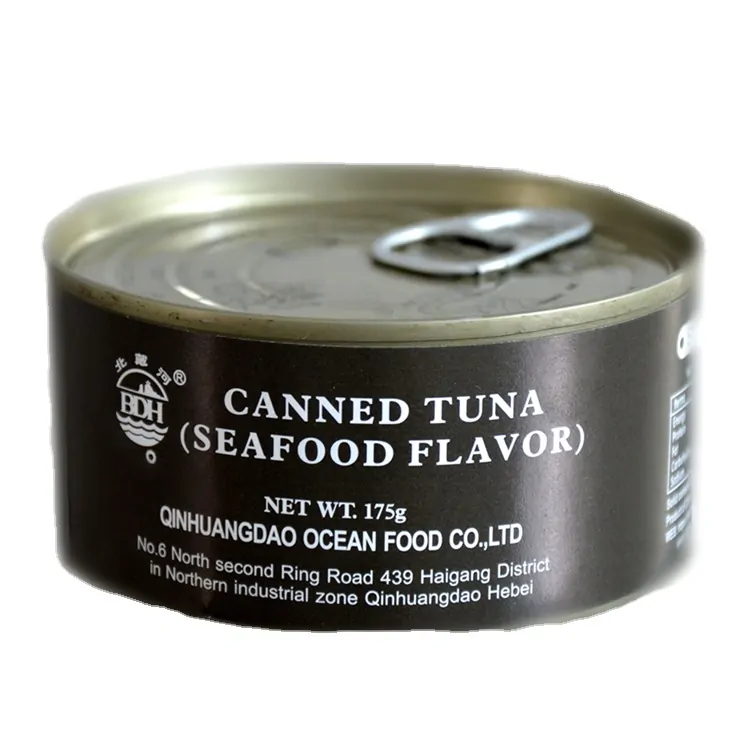
Canned fish represents an exceptional protein source for emergency stockpiles. Tuna, salmon, sardines, and mackerel packaged in water or vegetable oil are inherently permissible under standard Islamic dietary laws. Because seafood does not require ritual slaughtering methods, these products provide clean, high-density nutrition without the complications surrounding land animal proteins.
Large-scale manufacturing facilities frequently process multiple product lines using shared industrial equipment. While cross-contamination with non-Halal ingredients remains a theoretical risk in standard factory environments, survival situations minimize this concern. Under extreme conditions, potential trace contamination on commercial canning lines is secondary to the primary goal of avoiding outright prohibited food elements.
When dedicated supplies run low, practical label auditing becomes a necessary survival skill. Believers must learn to quickly identify safe options using mainstream supermarket indicators.
Begin by checking the primary protein and fat sources listed on the back of the can. If the product contains beef, chicken, or turkey without explicit certification, move it down the priority list. Next, scan the chemical additives at the bottom of the ingredient list. Look for simple, clean formulations containing recognizable components like water, salt, vegetables, and basic spices.
Mainstream dietary certifications offer an excellent tool for verifying food safety. Products bearing a certified vegan or vegetarian symbol are guaranteed by third-party organizations to contain no animal meat or slaughter by-products. Relying on these symbols eliminates the risk of accidentally ingesting pork products, unslaughtered land animals, or hidden animal fats during an emergency.
Kosher certifications, such as OU, K, or Star-K, provide an additional layer of security for displaced individuals. While Kosher standards do not perfectly align with Halal requirements in every single instance, they strictly forbid pork and dictate specific humane slaughtering methods. In a disaster scenario where dedicated options are absent, Kosher-certified meat or dairy canned goods serve as a highly reliable secondary choice.
Proactive emergency planning prevents the need to make difficult ethical compromises during a crisis. Building a dedicated survival pantry ensures long-term security and peace of mind.
Modern manufacturers produce an array of long-shelf-life products designed specifically for compliance. A well-rounded emergency stockpile should include canned meats like corned beef, chicken breasts, and lamb stews. Combine these with canned chickpea dishes, lentil soups, and robust vegetable chilis to establish a balanced distribution of daily macronutrients.
Standard supermarket canned goods typically maintain optimal quality for two to five years from the production date. In comparison, specialized emergency rations utilize advanced structural packaging and unique sealing technologies to extend shelf life up to twenty-five years. While specialized options carry a higher initial investment cost, they offer far superior nutritional density and long-term durability.
Procuring these specialized goods requires looking beyond local convenience stores. Specialized online marketplaces, international humanitarian suppliers, and regional distributors offer the widest selection of certified goods. Many long-term survival supply companies now offer dedicated product lines tailored specifically to Islamic dietary preferences.
Food Category | Halal Status in Normal Times | Status in Survival Situations | Actionable Advice for Muslims |
Certified Halal Canned Food | Fully Permissible | Ideal Choice | Always prioritize stockpiling these first. |
Regular Canned Fruits/Vegetables | Inherently Halal | Fully Permissible | Safe to consume; check for animal-derived additives. |
Regular Canned Seafood (Tuna/Sardines) | Inherently Halal | Fully Permissible | Best source of clean, non-meat protein in a crisis. |
Regular Canned Meat (Non-Halal Beef/Chicken) | Prohibited (Haram) | Permissible under Darurah | Consume only the minimum amount required to survive. |
Regular Canned Pork Products | Strictly Prohibited | Permissible as an absolute last resort | Consume only if starvation is imminent and no alternatives exist. |
Creating a functional household food reserve requires careful calculation, proper space management, and strategic maintenance techniques.
A reliable emergency pantry should sustain your family for a minimum of fourteen to thirty days. Calculate an average allocation of 2,000 calories per person daily, ensuring a stable balance of proteins, fats, and carbohydrates. Ensure that your inventory combines shelf-stable certified meats, canned fish, and nutrient-dense bean dishes to meet these caloric targets without causing dietary fatigue.
Environmental factors directly impact the longevity of your survival food supply. Store all canned goods in a cool, dark, and dry environment to prevent premature spoilage or rust formation. Implement a first-in, first-out rotation system by placing newly purchased cans at the back of the shelf, ensuring older inventory is consumed during regular family meals before it expires.
Home food preservation offers an excellent alternative to commercial products. Investing in a high-quality pressure canner allows families to preserve large batches of home-cooked Halal stews, soups, and meats. Dehydrating compliant meals and sealing them in mylar bags with oxygen absorbers creates lightweight, portable survival rations perfect for emergency evacuation bags.
Tip: Label your home-canned jars with precise preparation dates and specific ingredient details to make tracking your emergency inventory simple and efficient.
The spiritual dimensions of food consumption are profoundly tied to personal intent, especially when navigating unprecedented environmental crises.
Islam places immense weight on human intention (Niyyah). If a believer is forced by circumstance to eat non-compliant food to avoid starvation, their internal desire remains focused on obedience to God. Understanding that the act is driven by physical preservation rather than rebellion provides deep psychological and spiritual comfort during chaotic situations.
Leading global Islamic bodies, including the Fiqh Council of North America and the Al-Azhar Fatwa Committee, have issued updated guidelines regarding modern crises. These contemporary fatwas emphasize that during regional natural disasters, economic collapses, or warfare, the preservation of community health overrides standard supply-line perfection. They encourage proactive stockpiling but fully validate emergency flexibility.
Once a crisis resolves and standard food supplies return to normal, a believer naturally returns to standard dietary boundaries. Scholars suggest making a simple, sincere prayer of thanks for survival and seeking forgiveness for any prohibited items consumed out of necessity. This act restores spiritual equilibrium and marks the formal transition back to regular daily life.
Understanding how to navigate emergency situations brings peace of mind to families preparing for unpredictable disasters. While Muslims should always try to source certified Halal Canned Food, Islamic law values human life above strict ritual perfection when starvation threatens. For organizations and families looking to build a dependable emergency pantry before a crisis hits, Ocean Food provides high-quality, long-shelf-life emergency rations designed to deliver excellent nutritional density and long-term storage stability. Proactive preparation ensures your loved ones stay safe, healthy, and nourished during any future disruption.
A: Yes, Muslims can eat regular canned food if they face starvation and cannot find certified Halal Canned Food.
A: Canned seafood does not require specific ritual slaughter, making it a naturally compliant option during emergencies.
A: Vegetarian logos guarantee the absence of hidden pork products or unslaughtered land animal fats on labels.
A: Yes, Kosher items exclude pork and follow clean slaughter laws, offering an excellent backup during crises.


