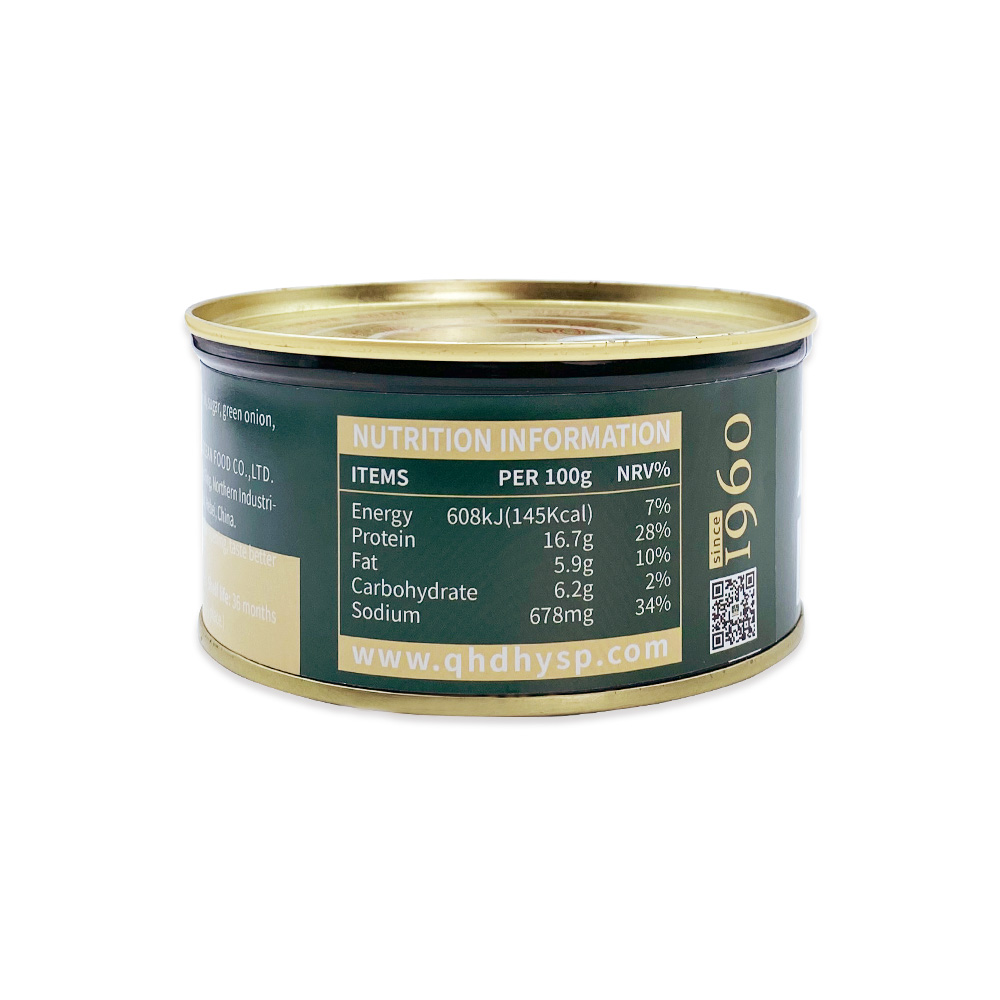
Skepticism surrounding shelf-stable meats persists among many health-conscious consumers and procurement managers. Outdated perceptions often paint these products as highly processed, preservative-laden rations devoid of real nutritional value. However, modern thermal processing techniques have fundamentally changed the landscape of preserved proteins. When evaluating dietary choices, answering the question of whether is canned beef healthy requires looking past the tin and examining the actual macronutrient data.
Buyers consistently struggle to balance the logistical benefits of long shelf life with strict dietary requirements and nutritional standards. Institutional planners need reliable protein sources that will not spoil, while individuals want meals that support their physical well-being. The fresh versus canned debate often ignores the scientific reality that canned meats can be just as nutritious as fresh versions. They offer a viable, stable alternative without sacrificing macronutrient density, provided you know what to look for on the label.
Nutritional Viability: Canned beef retains high-quality protein and essential micronutrients (like iron and zinc) comparable to fresh beef, though sodium and fat content vary drastically by product type.
Preparation Matters: Simple mitigation strategies, such as draining the liquid, discarding the top fat layer, and avoiding added cooking oils, significantly improve the health profile of ready to eat canned beef.
Supplier Standards Dictate Quality: Evaluating a canned meat supplier requires scrutinizing their canning processes, ingredient transparency, and adherence to food safety certifications (e.g., BPA-free linings, USDA/FDA compliance).
Product Selection is Critical: Not all canned beef is equal; all-natural beef chunks offer a vastly different nutritional baseline compared to heavily cured corned beef or traditional 340g canned stewed beef.
Defining what constitutes a healthy choice in the context of shelf-stable proteins requires looking at high protein bioavailability versus acceptable limits of sodium and saturated fats. canned beef nutrition is not a monolith; it varies significantly based on the cut of meat used and the specific preservation methods applied. A healthy shelf-stable protein should deliver substantial amino acids without overwhelming the diet with empty calories or excessive preservatives. When you open a can on a job site or in a commercial kitchen, you need to know exactly what fuel you are providing.
The primary dietary benefit of these products is their protein density. The canning process does not destroy the amino acid profile of the meat. In fact, it retains virtually the same protein value as fresh beef. A standard serving provides a robust dose of highly digestible protein necessary for muscle repair and general bodily function. We see this consistently in field rations where maintaining muscle mass under physical stress is a priority.
Fat content requires closer attention. During the high-heat canning process, saturated fats naturally separate from the meat fibers. This results in the visible fat cap often found at the top of the can upon opening. While the total fat content depends on the initial leanness of the beef, this separation actually allows consumers to manually remove a significant portion of the saturated fat before consumption. You can literally scrape away the excess calories with a spoon.
High-heat canning affects different nutrients in various ways. Water-soluble vitamins, such as certain B vitamins, may experience some degradation during the intense thermal processing required to ensure shelf stability. However, heat-stable minerals remain largely unaffected. The retort process is designed to kill pathogens, not strip the meat of its core value.
The thermal process preserves essential minerals like iron, zinc, and vitamin B12 exceptionally well. Iron from beef is highly bioavailable, and the canning process locks this mineral in, making shelf-stable beef highly competitive with fresh meat for preventing deficiencies and supporting metabolic health. For remote operations where fresh produce and meat are unavailable, this mineral retention is a massive logistical advantage.
The primary health risk associated with preserved meats is high sodium. Salt is traditionally used for both preservation and palatability. Excessive sodium intake is linked to cardiovascular issues, making it the most critical metric to monitor when reviewing labels. You must check the sodium per serving, not just the total can, as commercial sizes often contain multiple servings.
Furthermore, it is vital to evaluate the presence of nitrates and nitrites. Certain cured varieties rely on these compounds to maintain color and prevent bacterial growth. Conversely, premium natural lines utilize only natural sea salt and thermal pressure to achieve safety, offering a much cleaner ingredient profile. Always prioritize products that rely on heat rather than chemicals for preservation.
Breaking down the market offerings helps buyers match products to their specific health and use-case criteria. The landscape of shelf-stable beef ranges from highly processed mixtures to pure, unadulterated cuts. Understanding these categories is essential for making health-conscious procurement decisions. You cannot treat all canned meats as equals.
Canned corned beef is a staple in many pantries, but it represents the least optimal choice for strict low-sodium diets. The curing process involves heavy salting and the addition of nitrites. Furthermore, the fat ratios in standard corned beef are typically very high, contributing to a dense caloric load with minimal nutritional upside beyond basic protein. It works for emergency calories, but fails as a daily dietary staple.
Potted meats and low-grade blends carry even higher risks. These products frequently utilize offal fillers, artificial binders, and excessive saturated fats to achieve a spreadable texture. The protein quality is generally lower, and the ingredient lists are often cluttered with unnecessary additives. Avoid these if you are managing a health-focused inventory.
When evaluating options like 340g canned stewed beef, you must consider the nutritional impact of added gravies, starches, and vegetable inclusions. While these additions increase flavor, they also impact the caloric density. Standard commercial sizing requires careful portion control, but these stews often provide a more balanced macronutrient profile than cured alternatives. They are practical for quick, hearty meals in the field.
All-natural canned beef chunks represent the gold standard for health-conscious consumers and institutional buyers. These products typically contain only beef, water, and minimal salt. By eliminating artificial preservatives and relying solely on the retort canning process for preservation, they offer a clean, high-protein baseline. This is what you want for long-term food storage and regular consumption.
Product Type | Protein Quality | Sodium Level | Additives/Preservatives | Health Rating |
|---|---|---|---|---|
All-Natural Beef Chunks | High | Low to Moderate | None (Salt & Water only) | Excellent |
Moderate to High | Moderate | Starches, Natural Flavors | Good (Watch portions) | |
Canned Corned Beef | Moderate | Very High | Nitrates, Nitrites | Poor (Limit intake) |
Potted Meat Blends | Low | Very High | Binders, Fillers, Artificial Preservatives | Avoid |
Moving beyond the label to assess manufacturing practices is crucial. The procedures dictating overall product health and safety are just as important as the ingredients inside the tin. A reliable canned meat supplier must demonstrate rigorous adherence to modern food safety protocols. You need to know exactly how the product is handled before it reaches your shelves.
When selecting a canned food manufacturer, look for verifiable certifications. HACCP (Hazard Analysis Critical Control Point) certification, USDA inspection marks, and ISO standards indicate a facility committed to strict quality control. These certifications ensure the facility actively monitors and mitigates contamination risks. Do not accept products from facilities that cannot provide current audit reports.
Thermal processing precision is non-negotiable. The retort process must achieve exact temperatures for specific durations to prevent pathogen contamination, specifically botulism. Simultaneously, the manufacturer must calibrate this process to minimize nutrient degradation, ensuring the final product remains nutritionally viable. This requires advanced industrial equipment and constant monitoring.
The can itself plays a role in the health profile of the food. Historically, Bisphenol A (BPA) in can linings posed chemical exposure risks. Today, evaluating a supplier means assessing their transition to BPA-NI (Non-Intent) packaging. Modern manufacturers utilize alternative epoxy linings that protect the food from metallic tastes without introducing harmful endocrine disruptors into the diet. Always verify the packaging specs with your supplier.
Evaluating suppliers based on meat sourcing provides another layer of quality assurance. Traceability from farm to facility ensures the raw materials meet specified standards. Claims regarding grass-fed versus grain-finished beef, or hormone-free rearing practices, should be backed by transparent supply chain documentation. If a supplier cannot trace their meat back to the source, find another supplier.
Balancing the convenience of ready to eat canned beef with the necessity of manual preparation is key to meeting health goals. While these products are designed for immediate consumption, taking a few extra steps before serving can drastically improve their nutritional profile. Field preparation does not have to mean sacrificing health standards.
Evidence-based preparation steps make a significant difference. Chilling the can before opening causes the saturated fat to solidify at the top. You can then easily scrape off and discard this fat layer, instantly reducing the caloric and saturated fat load of the meal. This is a standard practice in commercial kitchens dealing with large volumes of canned proteins.
Additionally, draining the natural juices and lightly rinsing the meat chunks under cold water can reduce the sodium content by up to 20-30%. While this may remove some flavor, it is a necessary trade-off for individuals managing hypertension or strict sodium limits. You can always add salt-free spices later to rebuild the flavor profile.
One of the primary advantages of these products is that they are pre-cooked in their own juices. This means they only require reheating, not raw cooking. When preparing meals, users should not add extra cooking oils or butter. The natural fats already present in the meat will melt down during heating and easily suffice for cooking vegetables or bases, preventing the addition of empty calories. Use the existing fat to sauté your onions and garlic.
Incorporating these proteins into a balanced diet requires strategic pairing. Offset the nutritional drawbacks, such as residual sodium, by combining the beef with high-fiber, potassium-rich, and low-sodium ingredients.
Mix beef chunks with roasted sweet potatoes and broccoli.
Incorporate the meat into a low-sodium vegetable soup.
Serve over a bed of quinoa or brown rice to increase dietary fiber.
Pair with potassium-heavy foods like spinach or tomatoes to help balance sodium intake.
Use as a protein base for large-scale institutional chili, controlling the added salt.
The final verdict on whether these shelf-stable proteins fit into a healthy lifestyle depends entirely on product selection, preparation methods, and the dietary baseline of the consumer. High-quality options retain excellent protein and mineral density, making them a practical addition to modern pantries when managed correctly.
Shortlisting logic dictates a clear hierarchy of choices. Prioritize all-natural beef chunks packed in water over heavily cured or blended meats. Furthermore, hold your suppliers to non-negotiable standards, demanding transparent sourcing and modern, BPA-free packaging to ensure long-term safety.
To optimize your inventory and diet, take the following steps:
Audit your current pantry or procurement list to identify high-sodium or heavily processed items.
Check nutritional labels strictly for sodium thresholds and artificial preservatives.
Implement the chill-and-skim method to remove excess saturated fat before heating.
Request detailed spec sheets and certification records from manufacturers if buying in bulk.
A: The high-heat canning process preserves the high-quality protein and heat-stable minerals like iron and zinc. While some water-soluble vitamins may slightly degrade, the overall macronutrient profile remains highly comparable to fresh beef.
A: Sodium levels vary widely. Standard corned beef can contain over 800mg per serving, while premium, all-natural beef chunks packed in water may contain as little as 200mg to 300mg per serving.
A: Yes, ready to eat canned beef is fully cooked during the retort process and is safe to consume directly. However, removing the solidified fat layer first is advised for better health and texture.
A: The healthiest options are typically chicken breast, wild-caught salmon, and all-natural beef chunks packed in water with minimal salt and absolutely no added nitrates or artificial binders.
A: Commercially canned beef has an optimal quality window of 3 to 5 years. However, as long as the can remains intact, un-dented, and stored in a cool, dry place, the contents remain safe to eat indefinitely.
A: Rinsing the meat under cold water after draining the juices is an effective way to remove excess sodium and gelatinous fat, making it a much healthier option for regular consumption.
A: No. Because the beef is pre-cooked and retains its natural fats, those fats will melt down upon heating. Adding extra oil or butter is unnecessary and only adds unwanted empty calories to your meal.