Views: 0 Author: Site Editor Publish Time: 2026-07-15 Origin: Site
Consumers frequently ask, is canned tuna healthy? The short answer is yes, provided you understand the variables of species, packing methods, and sourcing. Canned tuna is universally recognized as a high-protein, cost-effective pantry staple. However, conflicting reports on heavy metals and processing methods complicate its health profile. You need clear facts to make informed dietary choices.
Consumers, dietitians, and bulk purchasers must navigate a saturated market. You must determine which products offer genuine nutritional value versus those compromised by high sodium, mercury, or poor sourcing practices. Not all tins are created equal. The liquid medium, the specific fish species, and the can lining all impact the final nutritional yield.
This guide provides an evidence-based breakdown of tuna nutrition. We evaluate the physiological trade-offs of different packing methods. We also establish strict criteria for selecting safe, high-quality products from a reliable source. You will learn exactly how to maximize the benefits while mitigating the risks.
Canned tuna is a highly bioavailable source of lean protein, Omega-3 fatty acids (EPA and DHA), and essential micronutrients like Vitamin D, Vitamin A, and selenium.
The health viability of canned tuna depends heavily on the species: Skipjack (light tuna) contains significantly lower mercury levels compared to Albacore (white tuna), dictating safe consumption frequencies.
Packing mediums (water vs. oil vs. brine) drastically alter the caloric density, sodium profile, and lipid profile of the final product, requiring alignment with specific dietary goals.
For bulk buyers and health-conscious consumers, verifying the testing protocols and sustainability certifications of a canned seafood manufacturer is critical to mitigating contamination risks.
Establishing the baseline nutritional expectations for a standard serving is crucial. You need to evaluate its efficacy as a dietary staple. Understanding canned tuna nutrition helps you align your intake with specific fitness or health goals. When you open a tin, you are accessing a highly concentrated source of marine nutrients that have been preserved at peak freshness.
Tuna is exceptionally dense in macronutrients. A standard 175g canned tuna tin yields approximately 35-40g of complete protein. This protein is highly bioavailable. Your body digests and utilizes it efficiently for cellular repair. Unlike plant-based proteins that may lack certain essential amino acids, marine protein provides a complete profile necessary for human health.
The amino acid profile is robust. It features high leucine content, which is critical for muscle protein synthesis and tissue repair. Lean protein promotes satiety. It keeps you full longer, supports weight management, and helps maintain lean muscle mass during caloric deficits. Athletes and bodybuilders have relied on this specific protein source for decades because it delivers maximum muscle-building potential with minimal digestive strain.
The baseline lipid profile is favorable. Unadulterated tuna contains a healthy ratio of saturated to polyunsaturated fats. It delivers essential fats without excessive caloric load. When you consume the fish in its natural state, you benefit from a lipid structure that supports hormone production and joint health.
Beyond protein, tuna delivers vital micronutrients. It contains significant amounts of essential Omega-3s, specifically EPA and DHA. These fatty acids play a major role in cardiovascular, cellular, and cognitive health. They reduce inflammation and support brain function. Regular intake of marine Omega-3s is linked to improved arterial health and lower resting heart rates.
Key micronutrients include selenium, Vitamin D, Vitamin A, and Iron. Selenium is particularly important. It binds to mercury, potentially mitigating some heavy metal toxicity risks. Vitamin D supports bone health and immune function. Many populations are deficient in Vitamin D, making dietary sources like marine fish incredibly valuable.
Tuna offers a high concentration of B-Complex vitamins. B12, Niacin, and B6 are essential for energy metabolism and nervous system support. Compared to other shelf-stable proteins, tuna provides superior nutrient density per calorie. A single serving can provide over 100% of your daily recommended intake of Vitamin B12, which is vital for red blood cell formation.
The canning process preserves macronutrient integrity. Protein and core Omega-3 fatty acids remain largely intact during thermal processing. You do not lose the primary structural benefits of the fish. The high heat used in commercial retorts sterilizes the product without destroying the amino acid chains.
However, some micronutrient degradation occurs. Heat-sensitive vitamins, like water-soluble B vitamins, may decrease slightly during canning. Despite this minor loss, the overall nutritional profile remains incredibly strong. The trade-off for shelf stability is minimal when you look at the macro-level benefits.
Consider cost-per-gram efficiency and shelf-life practicality. Canned formats offer a highly accessible alternative to fresh loin cuts. They deliver comparable nutrition at a fraction of the cost and require zero refrigeration before opening. This makes it an ideal protein source for remote work sites, emergency preparedness kits, and everyday meal prep.
Different processing and packing methods alter the health profile of canned tuna food products. You must choose the right combination of liquid medium and fish species to match your dietary requirements. The liquid in the tin is not just a preservative; it actively interacts with the fish tissue.
Water-packed tuna offers lower caloric density. It retains naturally occurring Omega-3s better. Since water and oil do not mix, draining the water leaves the beneficial Omega-3 fats intact inside the fish. This makes it ideal for strict cardiovascular and fat-loss diets. You get the pure protein without added dietary fats.
Oil-packed tuna has a higher caloric density. You face a potential loss of Omega-3s when draining, as these fats dissolve into the packing oil. However, oil-packed varieties offer increased satiety and improve the absorption of fat-soluble vitamins. If you are on a ketogenic diet or need high-calorie field rations, oil-packed is the superior choice.
Brine or broth additions significantly elevate sodium levels. Salt-water brine impacts blood pressure and hydration balance. If you monitor sodium intake, avoid heavily brined options. Vegetable broths are often added to enhance flavor, but they can introduce hidden sodium and soy derivatives.
Packing Medium | Caloric Density | Omega-3 Retention (Drained) | Best Dietary Application |
|---|---|---|---|
Water | Low | High | Fat-loss, Cardiovascular health |
Olive Oil | High | Moderate (some lost in drained oil) | Satiety, Keto diets, Mediterranean diets |
Soybean/Canola Oil | High | Low (competes with Omega-6) | Budget high-calorie needs |
Brine | Low | High | Emergency rations (high sodium) |
Skipjack, often labeled as Chunk Light, occupies a lower trophic level. This results in lower mercury accumulation. It is suitable for more frequent consumption. FDA and EPA guidelines generally suggest 2-3 times per week is safe for most adults. Skipjack has a more robust, "fishy" flavor that stands up well to heavy seasoning.
Albacore, labeled as Solid White, sits higher on the food chain. It contains up to three times the mercury of Skipjack. You must apply strict consumption limits. Pregnant women and children should consume Albacore sparingly. Albacore offers a mild flavor and firm, steak-like texture, making it popular for salads.
Yellowfin and Tongol serve as middle-ground species. They offer a premium taste profile and versatile culinary applications. Their heavy metal risks fall between Skipjack and Albacore. Tongol, in particular, is often marketed as a lower-mercury alternative to Albacore while maintaining a similar pale color and mild taste.
Regular consumption carries specific physiological and environmental risks. Identifying these risks allows you to implement practical mitigation strategies. You cannot ignore the environmental realities of modern seafood harvesting.
Methylmercury bioaccumulates and biomagnifies in marine food webs. Larger, longer-lived predatory fish absorb mercury from their prey. This heavy metal concentrates in their muscle tissue over time. The older and larger the fish, the higher the mercury load.
Methylmercury toxicity poses severe neurological risks. High exposure leads to cognitive and motor function impairments. It is especially dangerous to developing nervous systems in fetuses and young children. Symptoms of acute exposure include tremors, memory loss, and vision impairment.
Mitigate this risk by adhering to FDA and EPA consumption charts. Base your intake frequency on your body weight, age, and the specific species you select. Prioritize Skipjack for regular meals. If you consume seafood daily, you must rotate your protein sources to include lower-trophic species like sardines or salmon.
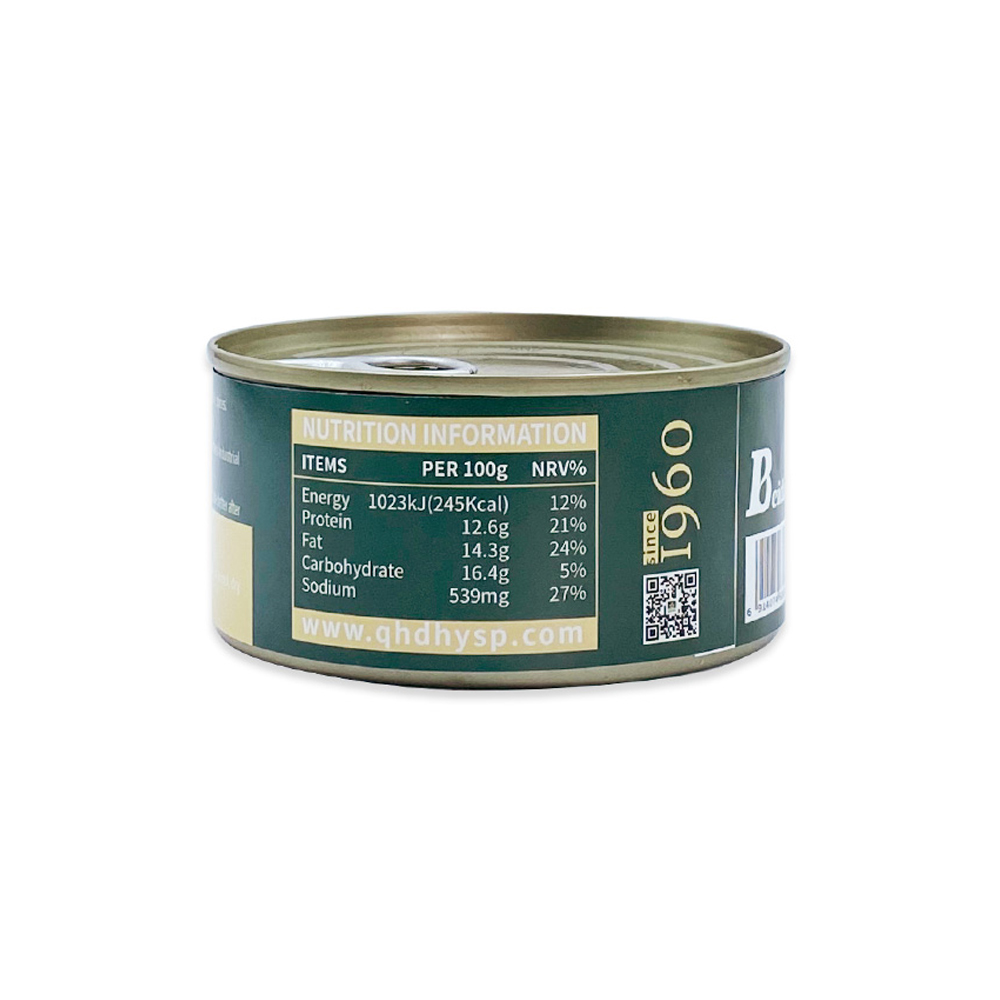
Canning requires preservation. Manufacturers add baseline sodium during the canning process for flavor stability and shelf life. This added salt can quickly push your daily sodium intake over recommended limits. A single can might contain upwards of 400mg of sodium depending on the brand.
High sodium intake correlates directly with hypertension risks. It forces the heart to work harder and stresses blood vessels. Over time, this contributes to cardiovascular disease and kidney strain.
Mitigate this by prioritizing "no salt added" water-packed variants. Alternatively, you can rinse standard canned tuna under cold water. Note that rinsing causes the subsequent loss of some water-soluble nutrients. If you use standard tins, adjust the salt content in the rest of your meal to compensate.
Historically, manufacturers used Bisphenol A (BPA) in the epoxy linings of tin cans. BPA prevents the metal from corroding and reacting with the food. However, BPA is a known endocrine disruptor. It mimics estrogen in the human body.
BPA can leach into the food, especially in oily or acidic environments. It interferes with hormone regulation and metabolic processes. Long-term exposure is linked to reproductive issues and metabolic disorders.
Mitigate this by reading labels carefully. Source products explicitly labeled with verified BPA-free or NI (Non-Intent) BPA linings. Always buy from a reputable manufacturer that prioritizes safe packaging. Modern canning facilities have largely transitioned to acrylic or polyester-based linings.
Retailers, bulk buyers, and consumers need strict criteria to vet a canned tuna supplier. Safety, sustainability, and quality must drive purchasing decisions. You are voting with your wallet every time you select a specific brand off the shelf.
Evaluate manufacturers based on their proprietary testing protocols. The best suppliers conduct real-time batch-testing for mercury. They ensure limits remain well below FDA thresholds before the product ships. Some premium brands even post their testing results online for consumer review.
Lot-level traceability is paramount. Every reputable canned seafood manufacturer must trace the catch from the vessel to the final can. This transparency guarantees accountability and food safety. If a brand cannot tell you where and how the fish was caught, you should not consume it.
Assess the credibility of third-party certifications. Look for the Marine Stewardship Council (MSC) blue tick, Earth Island Institute (Dolphin Safe) logos, and Fair Trade certifications. These indicate responsible harvesting. They ensure the fishery is not being depleted beyond its ability to reproduce.
Evaluate the fishing methods used. Pole-and-line or FAD-free (Fish Aggregating Device) purse seine methods are superior. They drastically reduce bycatch compared to conventional commercial gillnets or longlines. Bycatch refers to the unintended capture of non-target species like sea turtles, sharks, and dolphins.
Standardize your purchasing decisions based on yield and dietary planning. Evaluate the drained weight of the product versus the total net weight. You want to pay for fish, not excess water or oil. A lower drained weight indicates a lower value product.
Assess the quality and purity of added ingredients. If you buy flavored or value-added lines, check the ingredient list. Avoid products with excessive artificial preservatives, hidden sugars, or low-quality seed oils. Stick to products that use simple ingredients like olive oil, sea salt, and natural spices.
To maximize the health benefits of your seafood intake, follow these actionable steps:
Prioritize Skipjack or light tuna for regular weekly consumption to minimize heavy metal exposure.
Select water-packed tins if your primary goal is fat loss or cardiovascular health.
Verify that your chosen brand uses verified BPA-free can linings.
Check labels for third-party sustainability certifications like MSC or Dolphin Safe.
Rinse standard brined tuna under cold water to immediately reduce excess sodium intake.
A: For most adults, eating Skipjack (light) tuna 2 to 3 times a week is safe. If you choose Albacore (white) tuna, limit consumption to once a week due to its higher mercury content. Always adjust based on body weight and specific FDA/EPA guidelines.
A: Yes, draining oil-packed tuna removes a portion of the beneficial Omega-3 fatty acids. Because Omega-3s are fat-soluble, they leach into the surrounding packing oil. Water-packed tuna retains more Omega-3s when drained.
A: Absolutely. It provides a dense, highly bioavailable source of complete protein. A standard tin delivers roughly 35-40 grams of protein rich in leucine, which is essential for muscle protein synthesis and recovery.
A: Solid tuna consists of larger, intact pieces of fish loin, offering a firmer texture. Chunk tuna is made of smaller, flaked pieces mixed together. Both offer similar nutritional profiles, but solid is often preferred for steaks or salads, while chunk is ideal for mixing.
A: You can, but you must monitor the sodium content. Standard commercial tins contain added salt for preservation. Opt for "no salt added" varieties or thoroughly rinse the fish under cold water before eating to reduce sodium intake.