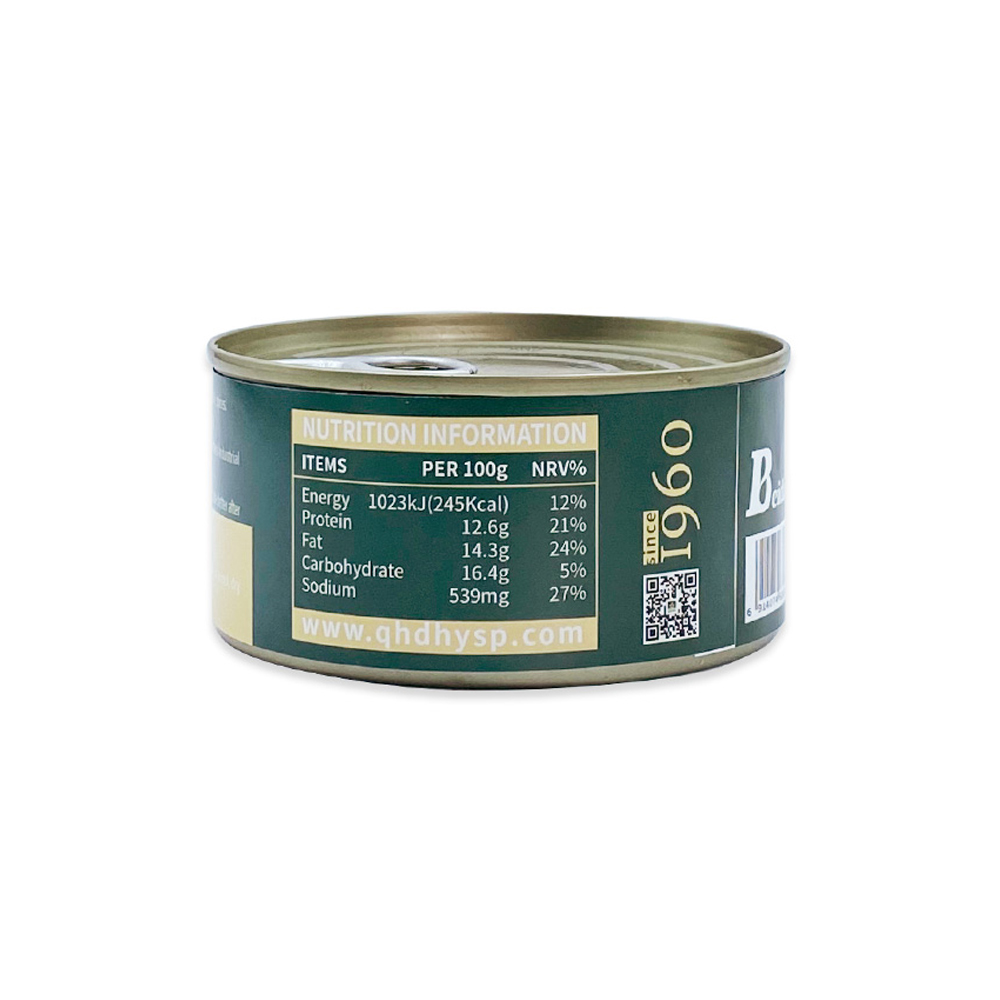
When pet owners and formulators ask whether can dogs eat canned tuna, the answer requires a careful evaluation of nutritional benefits against toxicological risks. While fish serves as a highly bioavailable protein source in canine diets, the specific inclusion of canned tuna introduces complex variables regarding heavy metal accumulation and sodium toxicity. Pet owners and pet food formulators must balance the high Omega-3 and protein yield of tuna against the clinical risks of mercury poisoning and improper packing liquids. This guide establishes an evidence-based framework for evaluating when and how dogs can safely consume canned tuna, detailing ingredient analysis, toxicological thresholds, and sourcing criteria for premium dietary supplementation.
Safety Baseline: Dogs can safely consume canned tuna only in strict moderation, provided it is packed in fresh water with no added sodium or flavorings.
Toxicity Risks: Frequent consumption increases the risk of methylmercury accumulation, which can lead to severe neurological and cardiovascular issues in canines.
Ingredient Integrity: Evaluating canned tuna ingredients is non-negotiable; oils, onions, garlic, and artificial preservatives render the product toxic or highly inflammatory to dogs.
Sourcing Standards: For commercial formulators or bulk buyers, securing food grade canned tuna from a transparent canned food supplier is critical to ensuring consistent quality and heavy metal testing compliance.
Evaluating the inclusion of marine proteins in canine diets requires a strict analysis of macronutrient density versus potential systemic risks. The lean protein found in canned tuna fish provides an excellent amino acid profile essential for canine muscle maintenance, tissue repair, and immune system function. It offers high digestibility compared to heavily processed terrestrial animal by-products. Dogs utilize these amino acids rapidly for cellular regeneration.
Beyond protein, tuna delivers significant concentrations of Omega-3 fatty acids, specifically Eicosapentaenoic Acid (EPA) and Docosahexaenoic Acid (DHA). These essential fatty acids are critical for modulating inflammatory responses, supporting joint mobility in osteoarthritic dogs, improving epidermal barrier function for healthy coats, and maintaining cognitive function in aging canines. The lipid profile of marine sources is vastly superior to plant-based Omega-3s like ALA, which dogs struggle to convert efficiently.
However, these benefits are counterbalanced by the risk of methylmercury toxicity. Mercury bioaccumulates in the muscle tissue of predatory fish. In dogs, the biological half-life of methylmercury necessitates strict consumption thresholds based on canine body weight. Chronic exposure without adequate clearance time leads to irreversible central nervous system damage. Formulators must calculate exact inclusion rates to prevent exceeding safe heavy metal limits over a dog's lifespan.
From a microbiological standpoint, the commercial canning thermal process makes canned options inherently safer than raw marine proteins. Retort processing subjects the fish to high heat under pressure, effectively sterilizing pathogens such as Salmonella, Listeria, and various marine parasites. This thermal lethality ensures that canned tuna presents zero risk of infectious disease transmission, a common hazard in raw feeding models.
Finally, formulators must account for sodium and fat variables. Excess sodium intake leads to hypernatremia, stressing canine renal systems and increasing cardiovascular workload. Unnecessary fats, particularly those from improper packing oils, drastically elevate the risk of acute pancreatitis, a life-threatening inflammatory condition of the pancreas.
Nutritional Profile Comparison: Tuna vs. Standard Canine Proteins | ||||
Protein Source | Protein Density (per 100g) | Omega-3 Yield | Heavy Metal Risk | Digestibility |
|---|---|---|---|---|
Skipjack Tuna (Water-Packed) | 24g | High (EPA/DHA) | Moderate | Excellent |
Chicken Breast | 31g | Low | Low | High |
Beef (Lean) | 26g | Low | Low | High |
Sardines (Water-Packed) | 20g | Very High | Very Low | Excellent |
The medium in which tuna is packed dictates its viability for canine consumption. Spring water-packed tuna is the only acceptable baseline. It adds no exogenous fats or caloric density, allowing the dog to process the lean protein and natural fish oils without metabolic strain. Draining the water further reduces any residual sodium leached from the fish tissue during the canning process.
Conversely, oil-packed tuna presents a high-risk scenario. Whether packed in sunflower, soybean, or olive oil, the lipid concentration exceeds the digestive capacity of most domestic dogs. This sudden influx of dietary fat directly correlates with acute gastrointestinal distress, lipid malabsorption, and severe pancreatitis. The canine pancreas is highly sensitive to acute fat loading, making oil-packed variants strictly contraindicated in all feeding models.
Analyzing canned tuna ingredients requires vigilance against common human-grade additives. Sodium chloride (table salt) is frequently added to commercial tuna to enhance flavor. Formulators must evaluate the baseline sodium levels against the maximum daily allowance for dogs, which is significantly lower than that for humans. High-sodium diets exacerbate underlying heart or kidney conditions and can lead to acute toxicosis in small breeds.
Toxic flavorings pose an immediate, fatal threat. Flavored tuna pouches often contain garlic powder and onion powder. These allium species contain N-propyl disulfide, which causes oxidative damage to canine red blood cells, leading to Heinz body anemia. Even trace amounts of these powders can trigger a hemolytic crisis. Additionally, artificial sweeteners or preservatives must be entirely excluded from any product intended for canine consumption.
Packaging integrity also warrants scrutiny. Lower-tier canned goods may utilize epoxy linings containing Bisphenol A (BPA). BPA acts as an endocrine disruptor, and chronic exposure through dietary staples can interfere with canine metabolic and reproductive hormones. Selecting BPA-free packaging is a necessary step in risk mitigation for long-term feeding strategies.
Not all tuna species bioaccumulate heavy metals at the same rate. Skipjack tuna, commonly labeled as "chunk light," is the safest option for canine consumption. As a smaller, shorter-lived species, Skipjack occupies a lower position on the oceanic food chain. Consequently, its muscle tissue exhibits significantly lower concentrations of methylmercury compared to its larger relatives. This makes it the preferred choice for intermittent canine feeding.
Albacore, often marketed as "solid white" tuna, presents elevated mercury risks. Albacore are large, long-living pelagic predators that accumulate substantial heavy metal loads over their lifespan. The mercury concentration in Albacore can be up to three times higher than that in Skipjack. Due to the canine system's lower threshold for heavy metal clearance, Albacore should be entirely excluded from dog diets to prevent neurological damage.
Yellowfin and Bluefin tuna represent premium varieties typically reserved for human culinary markets. While they offer exceptional protein profiles, their large size dictates higher mercury levels similar to Albacore. Furthermore, the toxicity concerns combined with high procurement costs make them impractical for both individual pet owners and commercial formulators looking to scale production safely.
For commercial applications, distinguishing between processing standards is vital. Securing food grade canned tuna ensures the product meets stringent human-consumption safety protocols, which far exceed standard feed-grade regulations. Feed-grade materials often permit higher thresholds of contaminants and utilize inferior processing methods that degrade amino acid bioavailability and overall nutritional yield.
Heavy metal testing is the primary metric for quality assurance. Formulators must evaluate a supplier’s Certificate of Analysis (CoA) before procurement. The CoA must detail quantitative testing for methylmercury, lead, arsenic, and cadmium. Establishing strict maximum thresholds for these contaminants guarantees that the raw material will not compromise the safety of the final pet food formulation.
Vetting a canned food supplier requires verifying regulatory compliance. Suppliers must demonstrate alignment with FDA guidelines and AAFCO (Association of American Feed Control Officials) standards if the ingredient is destined for commercial pet food. ISO certifications (such as ISO 22000 for Food Safety Management) provide an additional layer of verifiable quality control during the manufacturing process.
Executing a canned tuna bulk order involves complex supply chain logistics. Formulators must assess scalability, ensuring the supplier can meet volume demands without compromising heavy metal testing protocols. Shelf-life stability of the canned product dictates inventory turnover rates, while rigorous lot-tracking requirements are mandatory for rapid recall execution in the event of contamination.
Request a comprehensive Certificate of Analysis (CoA) for every batch.
Verify ISO 22000 and FDA compliance documentation.
Conduct independent third-party heavy metal testing on initial samples.
Establish clear lot-tracking protocols for all incoming inventory.
Integrating tuna into a canine diet requires precise execution to prevent toxicosis. Establishing exact portion control frameworks based on canine weight classes is the first line of defense. A giant breed dog can metabolize and excrete trace heavy metals more efficiently than a toy breed. Therefore, dosing must be calculated on a milligram-per-kilogram basis to ensure safety margins are maintained.
Breed-specific risk profiles further complicate implementation. Small-breed dogs, such as Cavapoos, Toy Poodles, and Yorkies, have a drastically lower threshold for heavy metal tolerance. For these breeds, portions must be restricted to micro-doses to prevent acute accumulation. Their smaller hepatic and renal systems are easily overwhelmed by contaminants, requiring strict oversight.
Feeding methodology dictates that tuna should never serve as a primary, standalone meal. It is best utilized as an occasional kibble topper to stimulate appetite, a hydration booster when mixed with warm water, or a high-value mix-in for raw or homemade diets. This supplementary approach ensures the dog receives complete and balanced nutrition from their primary feed while benefiting from the tuna's Omega-3 profile.
Frequency limitations are critical. Tuna must remain an infrequent treat, strictly limited to a maximum of one to two times weekly. Daily consumption guarantees the bioaccumulation of methylmercury, outpacing the dog's natural excretion rates. Continuous monitoring for toxicity is required. Clinical signs of mercury poisoning include loss of motor coordination, severe tremors, and sudden blindness. Sodium ion toxicosis presents as excessive thirst, vomiting, and seizures. Immediate veterinary intervention is required if these symptoms manifest.
While tuna offers distinct benefits, alternative marine proteins often present superior safety profiles. Sardines and smelts provide exceptionally high Omega-3 yields with significantly lower heavy metal risks. Because these small fish occupy the very bottom of the oceanic food chain and have short lifespans, they do not bioaccumulate mercury. They can be fed more frequently with minimal toxicological concern.
Canned salmon serves as a nutrient-dense alternative to tuna. It boasts a robust EPA and DHA profile and generally contains lower mercury levels than large tuna species. However, it is imperative that canned salmon fed to dogs is fully cooked and boneless to prevent gastrointestinal perforation or the transmission of salmon poisoning disease (caused by the Neorickettsia helminthoeca parasite found in raw Pacific salmon).
For dogs requiring strict low-fat diets due to chronic pancreatitis or hyperlipidemia, whitefish offers a viable solution. Species like cod, haddock, or pollock provide highly digestible, lean protein with negligible fat content and low mercury levels. While they lack the dense Omega-3 concentrations of tuna or salmon, they represent the safest daily marine protein option for metabolically compromised canines.
Audit all current marine protein sources to ensure they are strictly water-packed and free of toxic seasonings like garlic or onion.
Implement strict portion control guidelines, limiting tuna consumption to a maximum of one to two times per week based on the dog's weight class.
Request updated Certificates of Analysis (CoAs) from suppliers to verify heavy metal thresholds before executing bulk orders.
Consult a board-certified veterinary nutritionist to adjust feeding protocols for dogs with pre-existing renal or pancreatic conditions.
A: No. The high fat content in oil-packed tuna can trigger severe gastrointestinal upset and acute pancreatitis in dogs. Always opt for water-packed tuna.
A: Feeding amounts depend on the dog's weight. Generally, a small spoonful for small dogs or a quarter-can for large dogs, no more than once or twice a week, is the maximum safe threshold to avoid mercury accumulation.
A: Albacore (white) tuna contains significantly higher levels of mercury compared to Skipjack (chunk light) tuna. It is highly recommended to avoid feeding Albacore to dogs.
A: A single instance of eating a whole can of water-packed tuna is unlikely to cause acute mercury poisoning, but may cause mild stomach upset. If the tuna contained onions, garlic, or excessive oil, contact a veterinarian immediately.
A: Puppies have developing neurological systems that are highly sensitive to heavy metals. It is best to avoid feeding tuna to puppies and opt for safer proteins like cooked salmon or formulated puppy diets.
A: Yes. Avoid any canned tuna containing added salt, garlic, onions, artificial flavors, preservatives, or oils. The only acceptable ingredients are tuna and spring water.
A: No. Raw tuna carries risks of foodborne pathogens and parasites. The heat-sterilization involved in producing food-grade canned tuna kills these pathogens, making canned tuna a safer option than raw alternatives.