Views: 0 Author: Site Editor Publish Time: 2025-09-03 Origin: Site
Ever wondered what happens to MRE packaging after use? These meals are essential for outdoor enthusiasts and emergency responders. Understanding MREs and their components is crucial for proper disposal. In this article, you'll learn why responsible disposal matters for safety and the environment.
MREs, or Meals Ready-to-Eat, are self-contained, individual field rations designed for military personnel, emergency responders, campers, and outdoor enthusiasts. They provide a complete meal that requires no refrigeration or cooking, making them ideal for situations where traditional food preparation isn’t possible. MREs are lightweight, durable, and easy to carry, offering convenience and nutrition in one package. These meals are engineered to sustain energy and provide balanced nutrition during extended outdoor activities or emergencies. The main goal is to ensure people can eat well even when access to fresh food or cooking facilities is limited.
An MRE typically contains several parts, each serving a specific function:
Main Entrée: A pre-cooked, shelf-stable meal such as pasta, rice, or meat dishes.
Side Dishes: Items like crackers, bread, peanut butter, or fruit preserves.
Dessert: Cookies, candy, or other sweet treats.
Beverage Mix: Powdered drinks like coffee, tea, or electrolyte mixes.
Accessory Pack: Includes utensils, napkins, salt, pepper, sugar, and sometimes chewing gum.
Flameless Ration Heater (FRH): A small, sealed pouch that heats the main entrée without fire. It contains chemicals that react with water to produce heat quickly.
Each component is sealed in durable, airtight packaging to preserve freshness and prevent contamination. The packaging is designed to withstand rough handling and extreme conditions. Understanding these components helps highlight why proper disposal is essential. Some parts, like the flameless ration heater, contain reactive chemicals, while packaging materials are often non-biodegradable. Proper handling ensures safety and reduces environmental harm.
Note: The flameless ration heater in MREs uses a chemical reaction to generate heat, so it must be handled carefully during and after use to avoid safety risks.
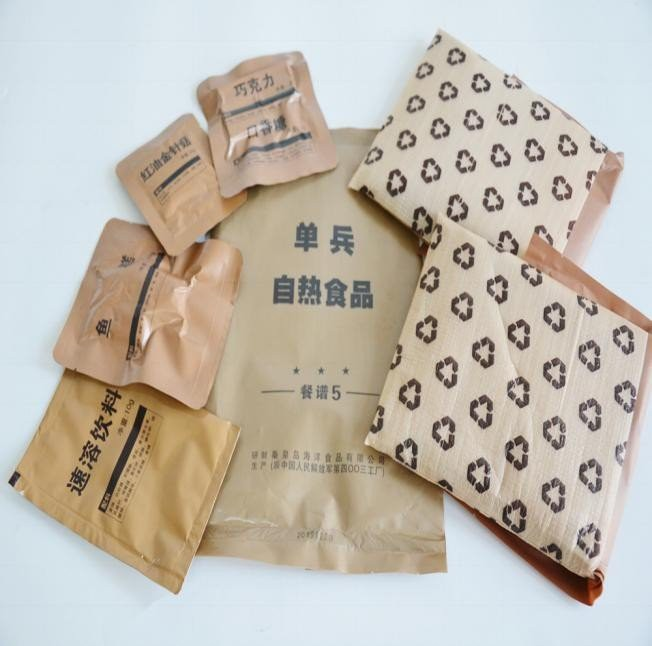
Improper disposal of MREs can cause significant environmental harm. Most MRE packaging is made from non-biodegradable materials like plastic and foil. When discarded carelessly, these materials persist in the environment for decades, contributing to pollution and harming wildlife. Animals might ingest packaging debris or become entangled, leading to injury or death. The chemicals inside flameless ration heaters (FRHs) also pose risks. If heaters are dumped in natural areas or water sources, residual chemicals like aluminum powder or calcium oxide can leach into soil or waterways. This contamination can disrupt ecosystems and threaten plants, animals, and even human health. Moreover, burning MRE packaging or heaters releases toxic fumes. These emissions degrade air quality and contribute to pollution. Landfills overloaded with MRE waste create long-term environmental challenges, as these materials do not break down easily.
Safety is another critical reason proper MRE disposal matters. Flameless ration heaters operate through a chemical reaction that generates heat. If a used heater is punctured, tampered with, or exposed to water again, it may react unexpectedly. This can cause burns or release hazardous gases. Discarding heaters in fires or incinerators is dangerous. The heat can trigger chemical reactions, producing toxic smoke or even small explosions. Such incidents pose risks to people and property. Leaving MRE waste in nature also creates safety hazards. Sharp packaging edges or chemical residues could harm hikers, campers, or wildlife. Additionally, improper disposal increases the chance of littering, which reduces the natural beauty and safety of outdoor spaces. By disposing of MREs responsibly, we protect the environment and keep people safe. It’s vital to follow recommended guidelines for handling and discarding all MRE components, especially flameless ration heaters.
Note: Always let flameless ration heaters cool completely before disposal to prevent accidental burns or chemical reactions.
After using an MRE flameless ration heater (FRH), the first step is to let it cool completely. The chemical reaction inside the heater generates heat quickly, so handling it immediately can cause burns. Usually, it takes about 10 to 15 minutes for the heater to cool down fully. Never rush this step. Touching or moving the heater while hot can be dangerous.
Once cooled, keep the heater dry. The heater’s chemicals react with water to produce heat, so exposing a used heater to water again might cause a mild reaction or release unwanted fumes. Avoid placing the heater in wet environments or near water sources after use. Keeping it dry prevents accidental reactivation and ensures safe handling.
Proper disposal means treating the heater as regular household waste after it has cooled and dried. Here’s how to do it safely:
Do not puncture or open the heater. The chemicals inside are sealed for safety and should never be exposed.
Never burn or incinerate the heater.
Wrap the heater in paper or plastic before placing it in the trash. This contains any residual chemicals and prevents leakage.
Dispose of all MRE packaging together in the trash. Most packaging is not recyclable or biodegradable, so it should not be left in nature or buried.
Avoid leaving heaters or packaging outdoors. Always bring waste back to proper disposal sites to protect the environment.
Following these steps helps prevent injury, chemical hazards, and environmental damage. It also keeps outdoor areas clean and safe for everyone.
Tip: Always wait at least 30 minutes for MRE heaters to cool fully before handling or disposing of them to avoid burns or chemical exposure.
One of the most dangerous mistakes is burning or incinerating flameless ration heaters (FRHs). These heaters contain chemicals like aluminum powder and calcium oxide that react with heat or fire, producing toxic fumes and sometimes small explosions. Burning them can release harmful gases into the air, posing risks to your health and the environment. Always avoid disposing of heaters in campfires, fireplaces, or trash incinerators.
Another common error is puncturing, cutting, or tampering with used MRE heaters. The chemicals inside are sealed for safety and should never be exposed. Opening a heater can cause chemical burns or release hazardous substances. Even after use, the heater might still contain reactive elements. Handling it improperly can lead to accidents or injuries. Always keep heaters intact and dispose of them as a whole unit.
Most MRE packaging consists of plastic, foil, and other synthetic materials designed for durability and long shelf life. These materials resist breaking down naturally in the environment. When discarded improperly, they linger for years, sometimes decades. This persistence leads to litter accumulation in natural habitats, parks, and waterways, harming wildlife and ecosystems. Plastic and foil wrappers can choke or trap animals, disrupt food chains, and pollute soil and water. Because MRE packaging isn’t biodegradable, burying it does not solve the problem; it simply hides it underground. Over time, chemicals from the packaging may leach into the soil, affecting plant life and microorganisms.
To reduce the environmental footprint of MRE disposal, follow these best practices:
Always pack out all MRE waste: Carry used packaging and heaters out of natural areas. Leaving waste behind causes pollution and hazards.
Dispose of waste in proper trash bins: Use designated waste containers or take the trash home for disposal. Avoid dumping in forests, trails, or water bodies.
Avoid burning packaging or heaters: Burning releases toxic fumes and harmful chemicals into the air, damaging air quality and human health.
Consider reusable meal options when possible: For frequent outdoor activities, look for meals with minimal or biodegradable packaging.
Support manufacturers developing eco-friendly packaging: Encourage companies to innovate with compostable or recyclable materials.
By handling MRE waste responsibly, you help protect the environment from long-lasting pollution. Keeping outdoor spaces clean preserves nature’s beauty and safeguards wildlife habitats.
Tip: Always carry a dedicated trash bag during outdoor trips to collect and pack out all MRE waste, preventing environmental contamination.
Proper disposal of MREs is crucial to prevent environmental harm and ensure safety. Cooling heaters fully, keeping them dry, and disposing of waste in household trash are essential steps. Avoid burning, puncturing, or burying MRE waste to minimize pollution and protect wildlife. Embrace environmental responsibility by supporting eco-friendly packaging solutions. Qinhuangdao Ocean Food Co., Ltd. offers MREs that provide convenience and nutrition, emphasizing the importance of responsible disposal to enhance their value in outdoor and emergency scenarios.
Q: Are MRE heaters recyclable?
A: No, MRE flameless ration heaters are not recyclable due to their chemical contents. Dispose of them as regular household waste after cooling.
Q: Can MRE heaters be hazardous?
A: Yes, used MRE heaters can be hazardous if punctured or burned. They may release harmful gases or cause burns. Dispose of them safely without tampering.
Q: Is it safe to open used MRE heaters?
A: No, opening used MRE heaters is unsafe. They contain reactive chemicals that can cause burns. Always dispose of them intact and avoid tampering.


