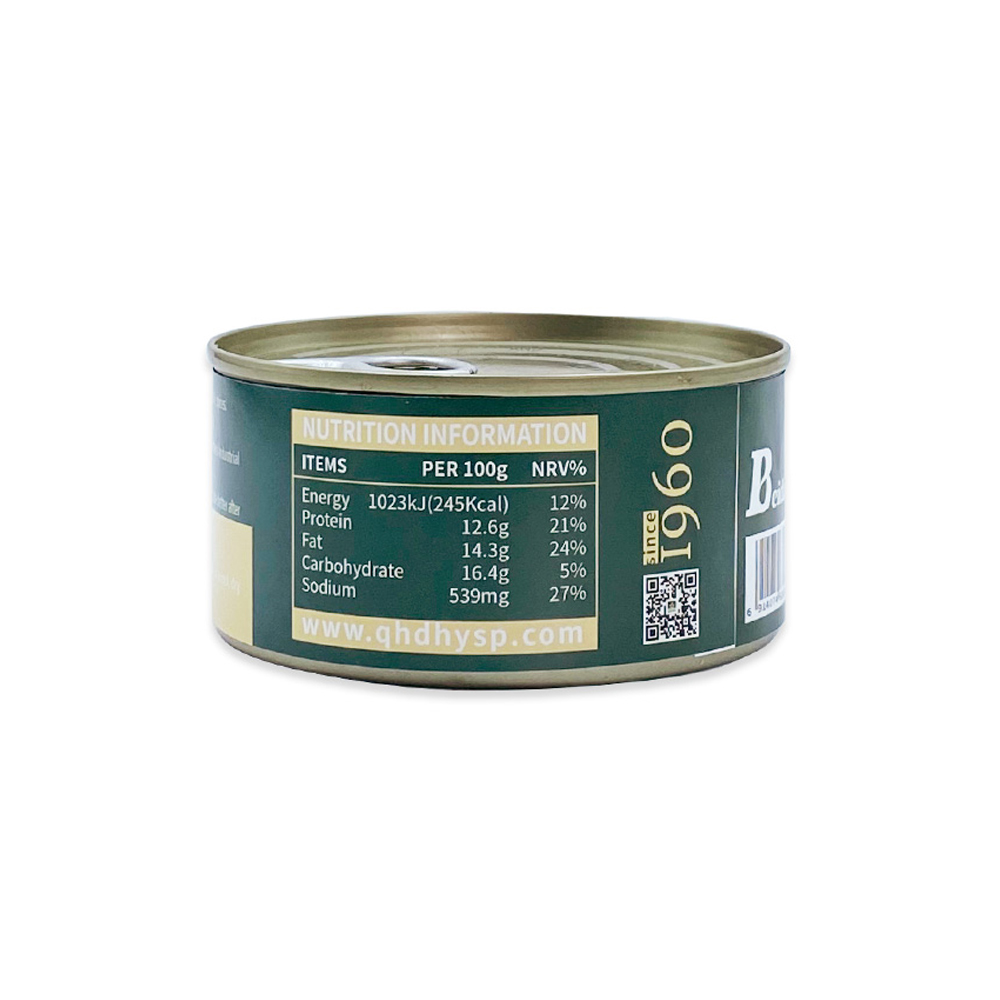
Dietary confusion often surrounds processed seafood, leading many to wonder whether convenient pantry staples inherently contribute to weight gain. A common question among health-conscious individuals and commercial buyers alike is whether the processing methods used for preservation alter the baseline nutritional value of the fish. The core issue lies in the vast variance of packing mediums—such as water, oil, or brine—and the addition of flavorings, which make it difficult to standardize nutritional expectations and determine the actual caloric impact of the product.
To clarify these misconceptions, it is necessary to establish an evidence-based framework for evaluating these products. Answering the question of whether is canned tuna fattening requires a thorough deconstruction of macronutrient profiles and a direct comparison of packing methods. This guide will analyze micronutrient density, assess the impact of added ingredients, and provide strict criteria for selecting high-quality products from a reliable canned tuna manufacturer to support optimal health and weight management goals.
Packing Medium Dictates Caloric Load: Canned tuna itself is a lean, low-fat protein; however, the choice between water-packed and oil-packed varieties can more than double the total caloric density.
Protein-to-Calorie Efficiency: High protein content supports satiety and metabolic health, making unflavored, water-packed tuna an exceptionally efficient food for weight management rather than a fattening one.
Micronutrients Drive Metabolism: Rich levels of Vitamins A, D, and Selenium support thyroid function and cellular health, key components of a robust metabolic rate.
Hidden Variables in Convenience Products: Value-added products (like spicy or marinated variations) introduce hidden fats and sugars that alter the baseline nutritional profile.
Sourcing Transparency Matters: For those buying canned tuna in bulk, verifying the nutritional consistency, testing standards, and ingredient transparency of the manufacturer is critical for quality control.
To accurately determine if a food contributes to excess adipose tissue, we must define what makes a food "fattening." A food only leads to weight gain when it contributes to a sustained caloric surplus without providing adequate satiety or metabolic support. Nutrient density—the ratio of essential vitamins, minerals, and macronutrients to total calories—serves as the primary metric for evaluation. Lean protein sources should deliver maximum amino acid profiles with minimal incidental fats or carbohydrates.
When analyzing canned tuna calories, the baseline standard is typically a 5-ounce can. In its raw or water-packed state, this serving yields approximately 120 calories. Crucially, about 90% of these calories are derived directly from high-quality protein, with virtually zero carbohydrates and minimal naturally occurring fats. This macronutrient distribution makes it incredibly difficult to consume enough water-packed tuna to create a caloric surplus, fundamentally challenging the notion that the fish itself causes weight gain.
Beyond basic macronutrients, the micronutrient density of this seafood plays a vital role in metabolic support. It is a potent source of essential vitamins and minerals, particularly Vitamins A and D, which are critical for cellular repair and immune function. Furthermore, it provides substantial amounts of Selenium and Iodine. These specific trace minerals are foundational for optimal thyroid function. The thyroid gland regulates the body's basal metabolic rate; therefore, supporting it with adequate Selenium and Iodine directly aids in efficient energy expenditure and weight management.
Satiety and metabolic impact are also heavily influenced by protein consumption. Lean seafood excels at appetite regulation by stimulating the release of satiety hormones such as peptide YY and leptin, which signal fullness to the brain. Because it is a high-protein, zero-glycemic food, it prevents the rapid blood sugar spikes and subsequent crashes associated with carbohydrate-heavy meals. Stabilizing blood glucose directly counters the body's fat storage mechanisms, reinforcing its role as a tool for lean body mass preservation rather than fat accumulation.
Let's look at a detailed breakdown of the macronutrient profile for a standard 5-ounce can of water-packed tuna to understand its efficiency:
Nutrient | Amount per 5oz Can (Water-Packed) | Percentage of Daily Value (Approx.) |
|---|---|---|
Calories | 120 kcal | 6% |
Protein | 28g | 56% |
Total Fat | 1g | 1% |
Carbohydrates | 0g | 0% |
Selenium | 68 mcg | 124% |
Consumers frequently question whether the canning process degrades the nutritional integrity of the fish compared to fresh cuts. In terms of macronutrient preservation, the thermal processing required for canning effectively locks in the protein content. A fresh steak and its canned counterpart offer nearly identical amino acid profiles, ensuring that muscle-building and tissue-repairing properties remain completely intact regardless of the format.
However, caloric and fat discrepancies do emerge depending on how the fish is processed before and during canning. Fresh cuts naturally retain their intrinsic fat content, including valuable Omega-3 fatty acids. During the commercial canning process, the fish is often pre-cooked, which can render out some of the natural fats. If the fish is subsequently packed in water, the overall fat content and total calories drop significantly compared to a fresh steak. Conversely, if packed in oil, the total fat content surpasses that of the fresh fish, altering the caloric baseline.
When evaluating cost-to-protein efficiency, the canned variant presents a highly accessible, shelf-stable, and budget-friendly alternative to fresh fish. Fresh seafood requires complex cold-chain logistics, driving up costs and limiting shelf life. The canned format eliminates these logistical barriers, delivering the same essential muscle-building protein at a fraction of the cost, making it a highly efficient dietary staple for consistent nutritional intake.
Here are the primary differences between fresh and canned formats:
Moisture Content: Fresh steaks retain natural cellular moisture, while canned versions rely on the packing medium.
Fat Retention: Pre-cooking in the canning process reduces natural fat levels before the packing medium is introduced.
Shelf Stability: Canned products undergo retort sterilization, allowing them to remain safe at room temperature for years.
Texture: The thermal processing softens the muscle fibers, resulting in a flakier texture compared to the firm bite of a fresh seared steak.
The primary variable dictating the nutritional outcome of this seafood is the liquid in which it is preserved. Water-packed varieties represent the low-calorie standard. A standard 5-ounce can yields roughly 120 calories, maximizing protein-to-calorie efficiency. The trade-off for this exceptionally lean profile is a slight reduction in retained Omega-3 fatty acids, as some of these beneficial oils can leach into the water and are subsequently drained away before consumption.
Oil-packed varieties shift the focus from caloric restriction to caloric density and healthy fats. A 5-ounce can packed in oil averages 280 or more calories. It is crucial to analyze the types of oil used by the manufacturer. Olive oil provides monounsaturated fats that can help reduce inflammation, whereas cheaper soybean or vegetable oils may introduce less desirable polyunsaturated fats. While addressing the misconception of "bad fats," it is important to differentiate between essential fatty acids and an excess caloric load. The fats in olive oil are beneficial, but the sheer volume of oil significantly increases the energy density of the meal.
Brine and sodium considerations introduce another layer of dietary analysis. High sodium levels in brine-packed options can lead to significant water retention. This temporary water weight and bloating are frequently mistaken for actual adipose fat gain. For individuals monitoring cardiovascular health or blood pressure, the sodium load in brine-packed fish requires careful management, often necessitating thorough rinsing of the product before consumption to mitigate the sodium impact.
The modern market offers numerous value-added products that shift the baseline from a raw ingredient to a processed meal replacement. When evaluating the nutritional baselines for ready to eat tuna cans, such as salad kits or pouches paired with crackers, the macronutrient profile changes drastically. These convenience options frequently contain common additives like mayonnaise, chemical stabilizers, and preservatives that compromise the inherently lean protein profile, introducing empty calories and saturated fats.
Evaluating spicy canned tuna and various marinades requires a critical eye on the ingredient list. Chili oils, sweet chili sauces, and artificial flavorings significantly impact the total carbohydrate and fat content. A product that appears healthy can quickly become calorically dense due to sugar-heavy sauces. The primary mitigation strategy is learning to read ingredient labels accurately, separating authentic dry spice blends from liquid marinades that rely on sugars and cheap oils for flavor.
Diet optimization involves strategic food combining. Pairing these canned proteins with dietary fiber—such as leafy greens, legumes, or whole grains—amplifies the health benefits. Dietary fiber, when combined with the protein and healthy fats of the fish, lowers systemic inflammation and feeds beneficial gut bacteria. This combination also prolongs gastric emptying, significantly extending satiety and preventing the overeating that leads to weight gain.
For commercial buyers, retailers, and discerning consumers, evaluating a manufacturer goes beyond reading the nutrition label. Criteria for sourcing health-focused seafood must include an assessment of manufacturer transparency. This involves verifying catch methods, such as prioritizing pole-and-line or FAD-free (Fish Aggregating Device) operations, which indicate a commitment to quality. Furthermore, transparency regarding the hygiene of packing facilities and the accuracy of third-party nutritional testing ensures the product meets dietary expectations.
Strategic procurement is vital for those purchasing canned tuna in bulk. Analyzing the cost-to-nutrition ratio reveals how bulk purchasing impacts the per-unit cost for high-grade, water-packed varieties. Buyers must also evaluate shelf-life considerations, optimal storage conditions, and packaging integrity. Ensuring that cans utilize BPA-free linings is critical for long-term storage, guaranteeing that the food remains safe and free from nutritional degradation or chemical contamination over time.
No discussion of this seafood is complete without addressing the primary risk of frequent consumption: methylmercury toxicity. Mercury accumulates in marine ecosystems, and predatory fish retain higher levels. Establishing consumption limits is necessary for long-term health. Evaluation dimensions for species selection are straightforward: Light or Skipjack varieties generally contain significantly lower mercury levels compared to larger species like Albacore or White tuna. Balancing protein intake with safe heavy metal thresholds dictates favoring Skipjack for regular consumption.
Environmental and ethical sourcing also plays a role in the final product's quality. Sustainable fishing practices correlate strongly with overall fish health and ecosystem vitality. Fisheries that manage populations responsibly tend to yield fish with better nutritional profiles, free from the stress and disease associated with overfished or polluted waters. Ethical sourcing ensures that the nutritional benefits of the seafood are not offset by environmental degradation.
The final verdict is clear: the fish itself is inherently lean and does not cause weight gain. However, the packing medium and any added flavorings dictate its ultimate caloric impact. Understanding these variables allows consumers to utilize this accessible protein effectively without compromising their dietary goals.
The shortlisting logic depends entirely on individual nutritional targets. For strict weight management and caloric restriction, prioritize water-packed, unflavored varieties. For dietary regimens requiring higher healthy fats, such as a Ketogenic protocol, select olive-oil-packed variants while strictly accounting for the associated caloric increase.
To implement these findings, take the following next steps:
Audit your current pantry stock to identify hidden oils, sugars, and excessive sodium in your canned seafood.
Transition to water-packed varieties for daily protein supplementation to maximize calorie efficiency.
Request comprehensive nutritional and heavy-metal testing documentation from your suppliers if purchasing in large volumes.
Rinse brine-packed products thoroughly under cold water to immediately reduce unnecessary sodium intake.
A: No, eating it daily does not inherently cause weight gain if you choose water-packed varieties and maintain an overall caloric balance. The high protein content actually supports satiety and metabolism. Weight gain only occurs if you consume oil-packed or heavily marinaded versions that push you into a caloric surplus.
A: Tuna packed in water is significantly better for weight loss. It contains roughly half the calories of oil-packed versions while providing the exact same amount of satiating protein. Oil-packed varieties, even those using healthy olive oil, are calorically dense and can easily disrupt a calorie-deficit diet.
A: Yes, flavored pouches often contain hidden calories derived from added sugars, chili oils, and chemical stabilizers used in the marinades. Always check the ingredient label for added carbohydrates and fats, which can significantly alter the lean nutritional profile of the base protein.
A: High sodium levels, particularly in brine-packed products, can cause the body to retain excess water. This leads to temporary bloating and an increase in scale weight, which is often mistakenly identified as fat gain. Rinsing the fish can help mitigate this sodium load.
A: Frequent consumption requires mindful species selection. Light or Skipjack varieties have lower mercury levels and are safer for regular eating. Albacore contains higher mercury levels and should be limited to once a week to prevent heavy metal accumulation.