Views: 0 Author: Site Editor Publish Time: 2026-04-30 Origin: Site
The practice of preserving provisions has evolved significantly over the centuries. We have moved entirely from historical homestead survival to modern operational resilience. Whether you are scaling a homesteading operation or assessing commercial food production viability, mastering this skill is vital. You must recognize it is not merely executing a simple kitchen recipe. It is a highly precise thermal and chemical engineering process. This process is expertly designed to eliminate deadly pathogens safely. It successfully extends product shelf life for years without requiring any refrigeration. Understanding the underlying physics dictates your equipment investments and strict safety compliance. It also heavily drives the critical decision between processing items in-house or contracting a commercial partner. By the end of this guide, you will grasp the exact mechanisms at play. You will learn to navigate the strict boundaries of acidity effectively. Finally, you will discover how to evaluate commercial scaling opportunities with clear strategic logic.
Canning relies on a strict combination of thermal processing (to inactivate enzymes and microbes) and vacuum sealing (to prevent environmental recontamination).
Processing methods are dictated entirely by food acidity; high-acid foods require a simple boiling water bath, while low-acid foods mandate pressure processing at 240°F.
Scaling from domestic to commercial production requires rigorous HACCP compliance, precise headspace monitoring, and validated recipes.
For retail or high-volume operations, the high CapEx and compliance overhead of in-house processing often justify partnering with an established canned food supplier.
Understanding how Canning Food works requires looking past the ingredient list. You must look directly at the underlying science. The entire preservation system uses a powerful dual-action process. First, heat is applied to reach a highly specific temperature threshold. This intense heat actively destroys spoilage-causing microorganisms. It also permanently halts enzymatic degradation. Left unchecked, these natural enzymes would rot your ingredients rapidly. You apply thermal energy to create biological stability.
Next comes the physics of the vacuum seal. Sustained heat causes the liquid inside the container to boil vigorously. This boiling action actively forces trapped oxygen out into the surrounding atmosphere. Once the heat source is removed, the jars or cans begin to cool quickly. The expanding gases contract within the headspace. This sharp contraction pulls the lid down tightly against the rim. A physical vacuum seal immediately forms. You now have an anaerobic environment. This space is physically isolated from external pathogens forever.
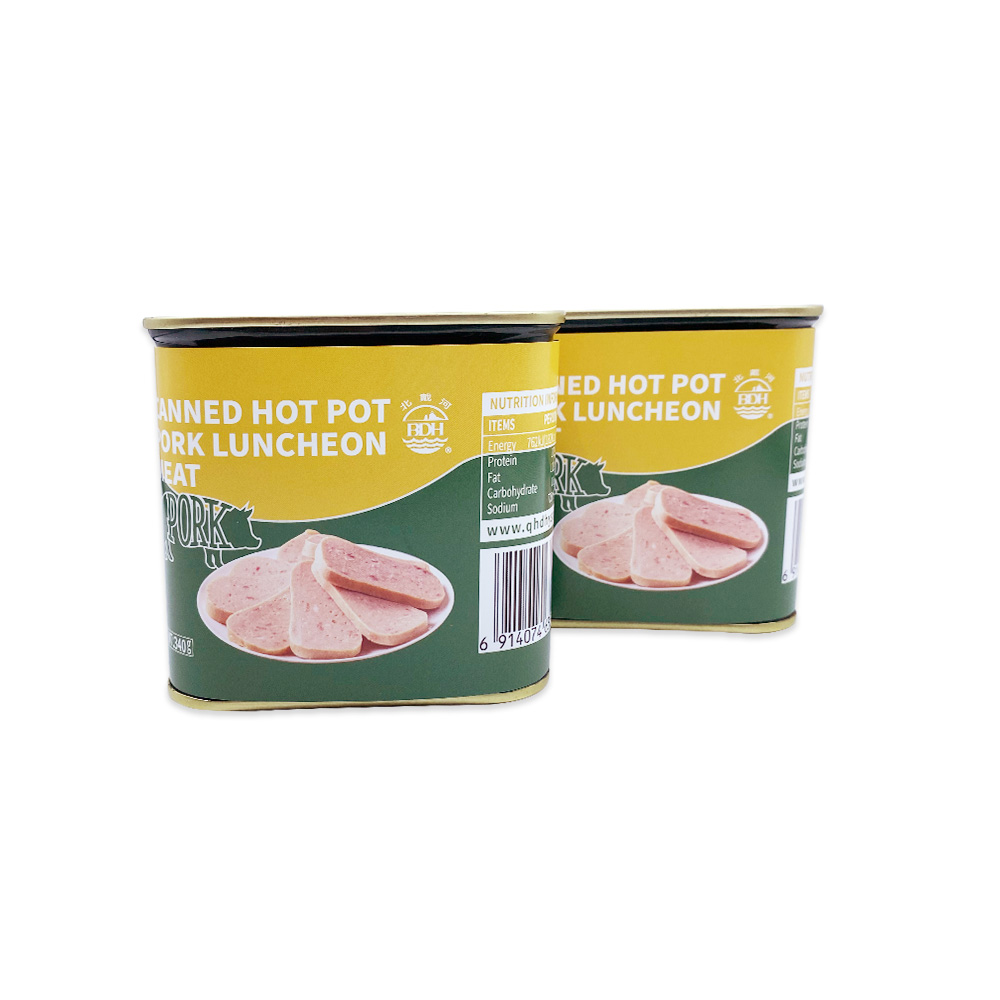
The scale of your operation dictates the sealing technology used. Home producers typically use glass jars fitted with two-piece metal lids. The expanding air escapes under the flat lid during the boiling phase. Industrial processors use a completely different approach. They rely on advanced "double seam" technology. This mechanical process rolls and interlocks the edges of commercial tinplate or aluminum cans. It guarantees absolute airtightness under extreme pressure. Mass distribution requires this rugged durability. It ensures the product survives rough transit without breaching the sterile environment.
Choosing your processing method is never a matter of preference. The pH scale dictates your decision entirely. This metric serves as your primary evaluation criterion for equipment selection. We categorize the solutions into two primary methods based strictly on acidity.
This method offers low capital expenditure. It only works safely for highly acidic environments. You can apply it to foods registering a pH below 4.6 consistently. Common examples include fruits, fruit jams, and properly acidified pickles. The mechanism is straightforward and highly accessible. It utilizes standard boiling water at 212°F. This specific temperature is sufficient to destroy dangerous yeasts and molds in acidic conditions. Acid acts as the secondary hurdle against bacterial growth.
Low-acid foods demand high capital expenditure equipment. This category includes meats, poultry, and unpickled vegetables. Pressure processing is absolutely mandatory here. You must neutralize deadly Clostridium botulinum spores. These resilient spores survive normal boiling water temperatures easily. The mechanism requires specialized pressurized equipment. This gear elevates internal water temperatures to a minimum of 240°F. This marks the absolute threshold for biological safety in low-acid, anaerobic environments.
Many producers fall into the dangerous "pH trap." Tomatoes are the most notorious culprits in this scenario. They often sit directly on the borderline of the 4.6 pH safety mark. Some heirloom varieties are actually surprisingly low in natural acid. You cannot safely process them in a water bath alone. They necessitate the explicit addition of bottled lemon juice or pure citric acid. This chemical addition safely pushes them below the 4.6 threshold.
A common mistake is assuming taste indicates acidity. Sweetness can mask high pH levels, leading to improper processing. Best practice dictates using digital pH meters for accuracy rather than relying on historical recipe notes.
Processing Method | pH Requirement | Target Temperature | Equipment Needed | Ideal Foods |
|---|---|---|---|---|
Water Bath | Below 4.6 (High Acid) | 212°F (100°C) | Standard Boiling Pot | Fruits, Jams, Pickles |
Pressure Processing | Above 4.6 (Low Acid) | 240°F (116°C) | Pressure Retort / Canner | Meats, Poultry, Vegetables |
Creating a shelf-stable product requires flawless execution from start to finish. Environmental variables heavily impact your overall success rate. Altitude is your biggest hidden variable in thermal processing. The physics of boiling water change rapidly as elevation rises. Boiling points drop significantly at higher altitudes. If you operate above 1,000 feet, you must intervene. You have to recalculate processing times or adjust pressure metrics. Failing to accommodate altitude changes leads directly to catastrophic bacterial survival.
Preparation methods also dictate your final product quality. We evaluate packaging dynamics through two techniques: hot packing and raw packing. Hot packing means simmering food briefly before placing it into the container. This action pre-shrinks the cellular structure of the food. It actively reduces trapped air inside the plant tissues. Hot packing prevents the dreaded "fruit float" syndrome. It also heavily reduces oxidation over time. This yields a visibly higher-quality end product compared to raw packing.
Post-processing inspection requires a strict standard operating procedure. Do not guess if a seal worked. Follow these documented seal testing steps rigorously:
Allow the containers to cool completely undisturbed for 12 to 24 hours.
Remove any outer screw bands to expose the actual seal edge.
Perform a careful visual check to confirm the lid center is pulled downward.
Tap the lid gently with a metal spoon to conduct an auditory check.
Listen for a clear, high-pitched ringing sound indicating a true vacuum seal.
If you discover a dull thud or a flexible lid, the seal failed. You face a strict 24-hour window for remediation. You must reprocess the food entirely with new lids. Alternatively, you can refrigerate it for immediate consumption.
Finally, we must debunk unsafe shortcuts completely. You cannot safely use "open-kettle" methods where hot food is simply poured into jars without secondary processing. You must absolutely avoid dishwasher processing. Oven methods are equally dangerous because dry heat does not penetrate food like steam does. Validated scientific processes save lives. Anecdotal practices invite severe operational and health risks.
Transitioning from home preservation to market-ready production is a massive leap. Regulatory thresholds become intensely rigorous at this stage. The government rightly views shelf-stable foods as potential public health hazards. You must build your operation around extreme safety verifications.
You must first understand the difference between standard and custom formulations. Standard recipes are pre-approved by safety organizations. These usually come from USDA-verified sources or university agricultural extensions. They carry documented thermal processing data. Conversely, custom recipes carry heavy regulatory burdens. Modifying sugar ratios or changing acid types alters the thermal penetration rate entirely. You cannot just scale up a family recipe blindly. Any custom formulation requires rigorous scientific validation. A certified "Processing Authority" must evaluate and approve your unique recipe before commercial production begins.
Scaling also introduces the Hazard Analysis Critical Control Point (HACCP) system. A commercial HACCP plan contains non-negotiable metrics. You must continuously monitor several Critical Control Points (CCPs) during every run.
Container Size: Larger volumes require exponentially longer heat penetration times to reach the core.
Food Particle Diameter: Thicker chunks heat much slower than thin slices, altering the processing schedule.
Headspace Tolerances: Incorrect empty space prevents proper vacuum formation and can cause lid buckling.
pH Fluctuations: Every single batch must hit exact acidity marks to avoid pathogen growth environments.
Heat Penetration Logs: Digital thermometers must record and archive the exact thermal journey of the retort.
You must log these variables meticulously. Missing data instantly invalidates the entire production run. Regulators will force a product recall if your paperwork lacks these crucial data points.
Commercial production forces a difficult financial decision for growing brands. You must choose between building an in-house facility or outsourcing the labor. Let us break down the Total Cost of Ownership (TCO). An in-house commercial line requires massive upfront capital. You must purchase industrial pressure retorts. You need expensive double-seam machinery for metal containers. You face relentless compliance auditing fees annually. Heavy liability insurance premiums will eat into your operating margins continuously.
Evaluating outsourcing often reveals a much clearer path to profitability. You can leverage the strategic advantages of white-labeling or contract manufacturing. Partnering with an established Canned Food supplier offloads the capital risk immediately. They already own the expensive infrastructure. They already possess the necessary regulatory certifications and USDA approvals. You essentially rent their compliance and heavy machinery. This allows your team to focus exclusively on marketing and distribution.
If you choose the outsourcing route, you must vet partners carefully. Buyers should look for very specific manufacturing capabilities. Demand to see their BPA-free lining migration reports to ensure chemical safety. Check their low-sodium processing capabilities to match modern consumer health trends. Ask to review their verified HACCP logs from recent runs. Assess their supply chain scalability to ensure they can grow with your sudden sales spikes.
We can simplify this complex decision with a clear shortlisting logic matrix.
Business Strategy | Recommended Path | Core Justification |
|---|---|---|
Boutique / Small-Batch Brand | Keep In-House | Maximizes control over premium, high-margin, highly customized products. |
High Volume / Retail Distribution | Outsource to Supplier | Lowers per-unit cost, ensures strict retail compliance, handles scale effortlessly. |
Keep production in-house if you operate a boutique brand. Small-batch brands rely heavily on exclusivity and high profit margins. Conversely, you should definitely outsource if you compete on sheer volume. A reliable supplier guarantees strict retail compliance while achieving a significantly lower per-unit cost.
Safely processing and packaging shelf-stable goods is an unforgiving scientific discipline. It relies entirely on flawless pH management, carefully applied heat, and precise pressure controls. Small-scale production remains highly achievable for diligent producers. However, it requires absolute adherence to established safety protocols without exception. Transitioning to a commercial model changes the landscape completely. It demands a serious evaluation of internal compliance costs versus the efficiency of strategic supplier partnerships.
Take action today to protect your operation and plan for growth. First, audit your current recipes to ensure strict pH safety margins are met. Second, consult your local agricultural extension to validate any custom formulations you plan to scale. Finally, request a detailed capabilities deck from a certified processing partner to explore your immediate outsourcing potential.
A: Artificial sweeteners provide excellent flavor without adding calories. However, they completely lack the natural osmotic preservation properties found in real sugar. They are perfectly safe for water-packed fruits where sugar is only a flavor enhancer. Unfortunately, they will cause traditional preserves and thick jams to fail both structurally and chemically over time.
A: A direct chemical reaction occurs between the metallic tools and the ingredients. Highly acidic foods like crushed tomatoes or brined pickles react aggressively with reactive metals. This interaction results in strong metallic off-flavors. It also causes severe visual discoloration in your final product. Using non-metallic tools is an absolute requirement for prep work.
A: You must follow strict biological safety protocols. Never taste-test unsealed or suspect jars under any circumstances. Suspected botulinum-contaminated food must be boiled vigorously for 30 minutes in water. This intense heat denatures the deadly toxins safely. You may then dispose of the food. Follow this with thorough surface sanitization using bleach.


