
Views: 0 Author: Site Editor Publish Time: 2026-01-15 Origin: Site
Canned luncheon meat is a popular, shelf-stable protein used in many households due to its convenience and long shelf life. But how does it compare to fresh meats in terms of taste and nutrition? In this article, we’ll examine the differences in flavor, nutrition, and convenience, helping you make the best choice for your meals.
Fresh meats are known for their natural, rich flavors that come from minimal processing. The taste can vary significantly depending on the type of meat and the cooking method used, whether grilling, roasting, or frying. Fresh cuts like beef steaks, chicken breasts, or pork chops allow for unique flavor profiles that reflect the quality of the meat and preparation. In contrast, canned luncheon meat undergoes heavy processing, which results in a more uniform, often salty flavor. The natural flavors of fresh meat are not typically found in canned options due to preservatives and high-temperature processing.
Canned luncheon meat typically has a uniform and slightly salty taste due to the preservatives and sodium content used in the canning process. The added preservatives, such as nitrates or nitrites, also contribute to its distinctive flavor. While it might lack the complex flavors of freshly cooked meats, its uniformity makes it suitable for specific recipes that require a consistent taste, such as sandwiches, salads, or fried rice. The flavor of canned luncheon meat is best suited for dishes where its softer texture and ready-to-use nature are an advantage.
Fresh meats offer more versatility in cooking techniques, allowing for various textures and flavors. Fresh steaks can be seared for a rich crust, while chicken can be grilled or roasted for a smoky flavor. On the other hand, canned luncheon meat’s softer texture makes it ideal for quick meals that require no preparation. It’s perfect for stir-fries, sandwiches, or quick protein additions to meals. While fresh meat provides more options for different cooking styles, canned luncheon meat excels in situations where convenience is the priority.
Fresh meats are typically a high-quality source of protein, packed with essential amino acids necessary for muscle growth and repair. Meats like chicken and beef are rich in complete proteins, meaning they provide all nine essential amino acids. Canned luncheon meat, however, is often made with added starches and fillers, which may reduce its protein content per serving. While canned luncheon meat still provides a decent amount of protein, fresh meats offer a higher-quality, more nutrient-dense source.
To better understand the sodium content and health implications of canned luncheon meat versus fresh meats, the following table compares the sodium levels, potential health risks, and tips for choosing lower-sodium options.
| Food Type | Sodium Content (mg/100g) | Health Implications | Technical Specifications | Notes |
|---|---|---|---|---|
| Canned Luncheon Meat | 700-900 | High sodium intake may lead to hypertension, heart disease, etc. | Uses preservatives and sodium salts | Choose low-sodium versions, consume in moderation |
| Fresh Chicken Breast | 60-70 | Low sodium helps control blood pressure | Natural, unprocessed | Avoid over-processing or adding salt |
| Fresh Lean Beef | 50-60 | Low sodium, rich in iron and Vitamin B12 | Properly cooked, nutrient-preserving | Choose lean cuts or fatty portions based on health needs |
| Low-Sodium Canned Luncheon Meat | 400-600 | Reduces sodium intake, helps prevent hypertension | No preservatives and low sodium salts | Read labels to ensure it’s low-sodium |
Tip: When choosing canned luncheon meat, opt for the low-sodium version to reduce sodium intake and lower the risks of hypertension and heart disease.
Fresh meats, particularly lean cuts, are lower in saturated fats compared to canned options, which often contain higher levels of fat due to the processing and preservation methods. Canned luncheon meat can also contain additional additives like nitrates, which are used to preserve the meat’s color and flavor. While these additives are generally considered safe in moderate amounts, excessive consumption of nitrates has been linked to potential health risks, including an increased risk of cancer. Fresh meats tend to have fewer additives, offering a more natural and healthier option for those focused on reducing processed foods.
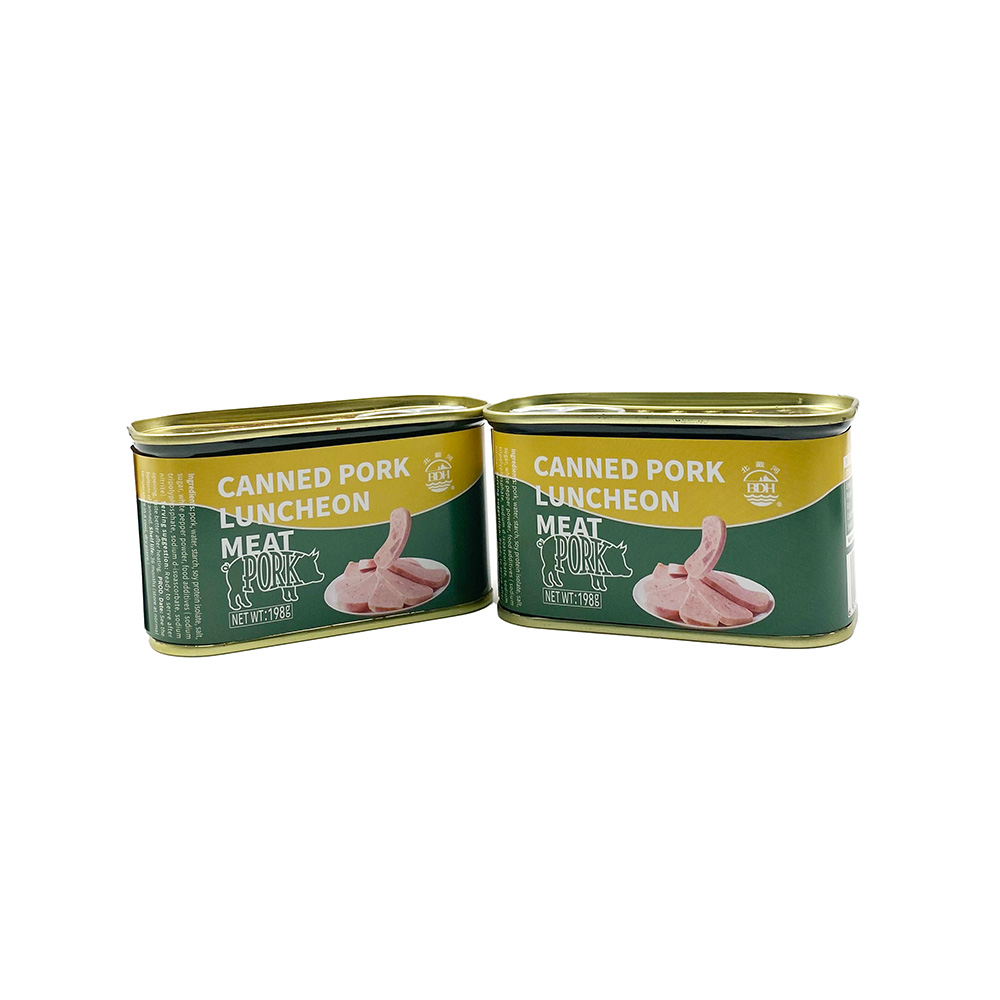
This table provides information on the shelf life of various meat types, demonstrating the long-term storage advantages of canned luncheon meat and its optimal storage conditions.
| Food Type | Shelf Life | Storage Conditions | Ideal Storage Environment | Technical Specifications | Notes |
|---|---|---|---|---|---|
| Canned Luncheon Meat | 2-5 years | No refrigeration required, sealed storage | Keep temperature below 20°C | Suitable for long-term storage | Avoid direct sunlight, store in a dry place |
| Fresh Chicken | 1-4 days | Refrigerated/Frozen | Refrigerate below 4°C | Short shelf life, needs freezing | Consume quickly or freeze for storage |
| Fresh Lean Beef | 1-3 days | Refrigerated/Frozen | Keep at 4°C or below | Consume soon | Must be eaten quickly, avoid wastage |
| Frozen Luncheon Meat (Packaged) | 6 months | Freezer storage | Below -18°C | Saves space, prevents spoilage | Ensure proper packaging, avoid thawing and refreezing |
Tip: The extended shelf life of canned luncheon meat makes it an ideal choice for emergency storage and long-term stocking, while fresh meats must be consumed quickly to maintain their quality and freshness.
One of the key benefits of canned luncheon meat is its ability to be stored without refrigeration until opened. This makes it an ideal option for people with limited fridge space or those who want to stock up without worrying about storage requirements. Fresh meats, on the other hand, need to be kept refrigerated and often require freezing if not used within a short time. The convenience of canned meat storage offers a practical solution for busy families or individuals with limited access to refrigeration.
Canned luncheon meat’s ready-to-eat nature makes it a convenient option for meal prep. It requires no thawing or cooking, making it a time-saving choice for quick meals. Whether added to salads, soups, or sandwiches, canned luncheon meat can be used in a variety of recipes that require minimal preparation. Fresh meat, by comparison, needs to be cooked or at least defrosted, which adds time and effort to meal preparation. For quick meals and time-saving benefits, canned luncheon meat excels.
Fresh meat retains more nutrients, such as vitamins B12 and iron, due to minimal processing. Cooking methods like grilling or roasting help preserve these nutrients. In contrast, canned luncheon meat undergoes high-heat processing, which can lead to some nutrient loss. However, canned luncheon meat can still be a good source of protein, though it may not offer the same level of vitamins and minerals found in fresh meats. For those seeking optimal nutrient retention, fresh meat is the better choice.
Canned luncheon meat can still play a role in a balanced diet when consumed in moderation. It provides a convenient source of protein, but its high sodium and fat content should be considered. When incorporated responsibly into meals, it can serve as a practical, nutrient-rich option for busy individuals. Pairing canned meat with fresh vegetables and whole grains can help create a balanced meal while keeping sodium intake in check.
Despite the convenience of canned luncheon meat, it is important to be mindful of its potential health risks. The high sodium content, preservatives, and fats can contribute to health issues such as hypertension and heart disease if consumed excessively. To mitigate these risks, choose low-sodium options and consume canned meat in moderation. By reading nutrition labels and making healthier choices, canned luncheon meat can be part of a well-rounded diet.
As consumers become more health-conscious, there is an increasing demand for healthier canned meat options. Brands are responding by offering products with lower sodium, fewer preservatives, and more natural ingredients. The shift towards organic and nitrate-free canned meats reflects this growing trend, allowing consumers to enjoy the convenience of canned food without compromising on health.
The rise of plant-based alternatives has added another layer to the canned meat debate. Many consumers are now choosing plant-based options for ethical or environmental reasons. While canned luncheon meat remains a convenient and affordable protein source, plant-based alternatives offer a healthier option with fewer preservatives and additives. Comparing the nutritional content and environmental impact of both choices helps consumers make informed decisions.
The canned luncheon meat market is evolving, with trends focused on health-conscious formulations, innovative flavors, and sustainable packaging. Newer options feature reduced sodium, added fiber, and natural flavorings. Consumers are becoming more discerning about the quality of processed foods, prompting brands to innovate and meet these new demands. This shift is likely to continue as consumer preferences evolve towards more sustainable and health-focused choices.
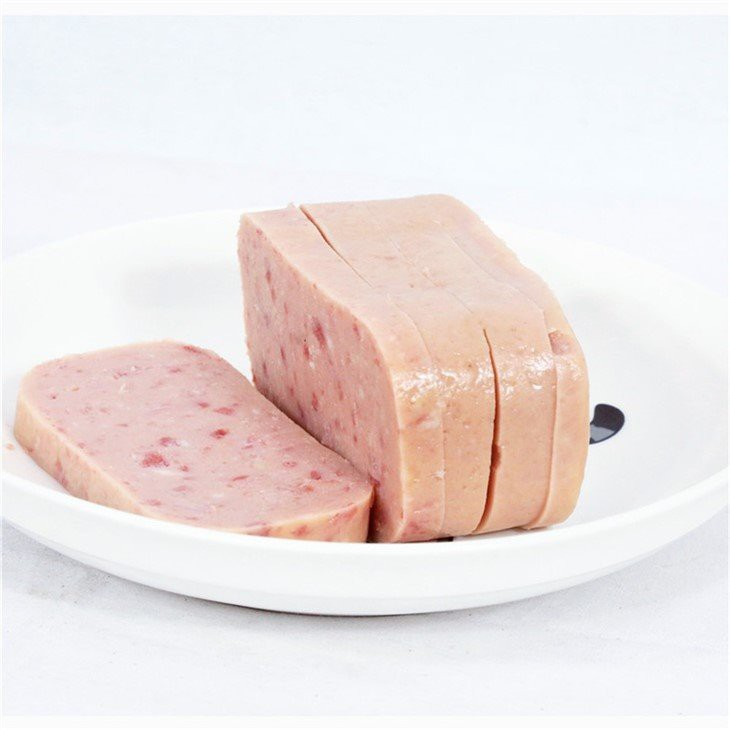
Canned luncheon meat is typically more affordable than fresh meats, especially when considering price per serving. Fresh meats, particularly premium cuts, can be expensive, while canned luncheon meat offers a cost-effective protein source with a longer shelf life. For budget-conscious consumers, canned luncheon meat presents a more economical choice without sacrificing protein intake.
In addition to being more affordable, canned luncheon meat offers great value for households looking to stretch their food budget. With its long shelf life and low cost, canned meat is ideal for meal planning, large families, or emergencies. It helps reduce food waste by providing a long-lasting source of protein that can be stored for extended periods.
Canned luncheon meat offers significant value for money, especially for those on a budget. It provides a cost-effective source of protein, with a longer shelf life compared to fresh meat, reducing waste and the need for frequent grocery trips. The versatility of canned luncheon meat allows it to be used in a variety of recipes, from sandwiches to stir-fries, making it a convenient and affordable option. Additionally, its stable storage requirements and low cost per serving make it a practical choice for meal planning and bulk buying, especially in households seeking to manage food expenses.
Canned luncheon meat offers an affordable, convenient protein source with a longer shelf life than fresh meats. While it may have a higher sodium and fat content, it can still be part of a balanced diet when consumed in moderation. For those looking for convenience, cost savings, and long-term storage, canned luncheon meat is an excellent option. However, it is important to balance its consumption with fresh meats for optimal nutrition. Brands like Qinhuangdao Ocean Food Co., Ltd. are meeting consumer demand for healthier and more sustainable canned meat options, ensuring that canned luncheon meat remains a viable and valuable product in today’s market.
A: Canned luncheon meat has a more uniform, often salty flavor due to preservatives and processing, while fresh meats offer more robust and varied flavors, depending on the cooking method.
A: Yes, canned luncheon meat provides a decent amount of protein, but it often contains added starches and fillers, making the protein content lower than fresh meats.
A: Sodium is used as a preservative in canned luncheon meat to extend shelf life. High sodium content can contribute to health risks if consumed excessively.
A: Canned luncheon meat has a much longer shelf life, typically 2-5 years, while fresh meats need to be consumed quickly, usually within 1-4 days.
A: Yes, when consumed in moderation, canned luncheon meat can be part of a balanced diet, but it’s important to manage sodium and fat intake and balance it with fresh foods.


