Views: 0 Author: Site Editor Publish Time: 2026-01-06 Origin: Site
Energy bars are essential for fueling athletes, providing quick nutrition during exercise. But did you know the flavor of your High Energy Bar could affect your performance just as much as its nutritional content? In this article, we'll explore how different flavors of High Energy Bar influence not only physical performance but also motivation and mental focus. You'll learn how choosing the right flavor can enhance your energy, focus, and recovery during training and competitions.
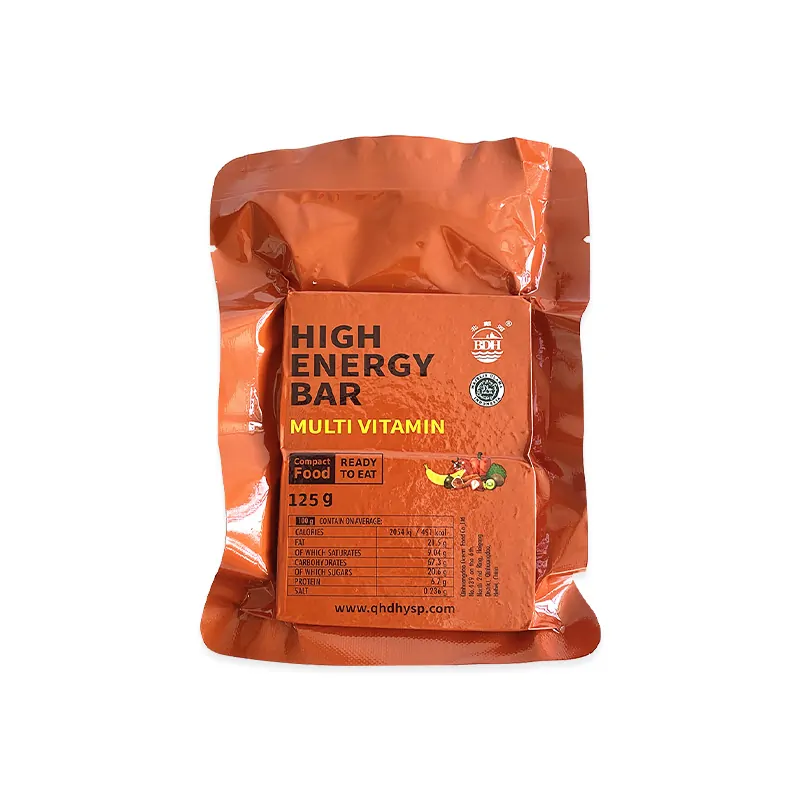


This table outlines the different sweet and fruity flavors in energy bars and their carbohydrate content, showing how each type impacts performance. Athletes can use this information to select the best flavor for energy replenishment and endurance.
| Flavor Type | Main Ingredients | Carbohydrate Sources | Energy Release Characteristics | Suitable Sports | Notes |
|---|---|---|---|---|---|
| Fruity Flavors (e.g., Strawberry, Mango) | Fruit pulp, glucose, fructose | Fructose, glucose | Quick energy release, ideal for short, high-intensity exercise | Running, Cycling, Swimming | Avoid overconsumption for long events to prevent flavor fatigue |
| Sweet Flavors (e.g., Honey, Maple Syrup) | Honey, maple syrup | Glucose, fructose | Sustained energy release, ideal for medium-duration endurance events | Marathons, Triathlons | High sugar content, consume in moderation to avoid blood sugar spikes |
Nutty and savory energy bar flavors are often associated with higher levels of protein, fat, and fiber. While these macronutrients provide sustained energy and satiety, they may not be ideal for high-intensity exercises. Protein and fat, found in nut-based or savory bars, are beneficial for ultra-endurance activities like long hikes or marathons. However, consuming such bars immediately before or during short, high-intensity activities can slow digestion, potentially causing discomfort and impairing performance. It's important for athletes to consider their specific event needs when choosing energy bar flavors.
Athletes are more likely to maintain fueling strategies if they enjoy the flavor of their energy bars. Consuming a preferred flavor can increase motivation and make the fueling process more enjoyable. During long, demanding workouts, flavor fatigue can set in, making it difficult for athletes to maintain adequate fuel intake. By choosing energy bars with flavors they enjoy, athletes are more likely to stick to their fueling plan, ensuring they receive the necessary nutrients to sustain performance.
The Rate of Perceived Exertion (RPE) is a key psychological measure during exercise. Unpleasant or non-preferred flavors can lead to a higher RPE, making the effort feel more difficult. On the other hand, consuming a preferred flavor can lower the perceived effort, making the exercise feel easier, even when the physiological markers (such as heart rate) remain the same. This psychological effect shows how flavor can influence an athlete’s perception of effort, which can, in turn, affect overall performance.
Athletes often experience a psychological boost when they expect a certain flavor to enhance their performance. This phenomenon is linked to the placebo effect, where positive expectations lead to better outcomes. If an athlete has had a successful experience with a particular flavor in the past, they may expect similar results in the future, which can enhance their performance. This shows that flavor preferences are not only about taste but also about the psychological conditioning that helps athletes perform better.
Repeated exposure to the same flavor, especially sweet or artificially flavored ones, can lead to sensory-specific satiety. This means the flavor becomes less appealing over time, making athletes less likely to continue fueling properly during long events. To prevent this, athletes should rotate between different flavors, such as switching from fruity to nutty or savory options, ensuring continued enjoyment and adherence to fueling strategies throughout endurance events.
Flavor preference plays a significant role in maintaining training consistency. If an athlete is forced to consume an energy bar with a flavor they dislike, they may experience a negative psychological response that can lead to inconsistent fueling practices. Over time, this could impact training outcomes, as athletes might avoid consuming energy bars altogether. By selecting bars with flavors they enjoy, athletes can improve fueling consistency, which supports long-term training and performance gains.
In multi-stage events, athletes are required to consume food for extended periods. Managing palate fatigue becomes essential in maintaining energy intake. Varying between sweet, savory, and tart flavors can help keep the taste buds engaged and prevent the feeling of boredom or aversion to specific flavors. This strategy ensures that athletes maintain adequate fuel intake, which is critical for performance during long, physically demanding events.
After intense exercise, flavor choices can significantly influence an athlete’s recovery process. Bars with comforting or indulgent flavors can improve mood and provide a psychological boost, aiding in post-exercise recovery. For example, chocolate or caramel flavors may offer a sense of satisfaction and help athletes recover emotionally after a strenuous workout, even if they don't directly affect physical recovery.
Certain flavors, especially those containing caffeine or menthol, can improve cognitive focus and mental clarity during exercise. Caffeine, a bitter flavor, is widely used in energy bars to enhance focus and reduce mental fatigue, particularly in sports that require sustained attention. Menthol, on the other hand, provides a cooling effect that can improve thermal comfort, helping athletes maintain concentration and perform better during mentally challenging activities.
The psychological benefits of consuming a favorite flavor extend beyond the workout itself. After an event, athletes who consume an energy bar with a flavor they enjoy are more likely to feel satisfied with their recovery process. This sense of satisfaction can improve overall recovery and reduce negative feelings, ultimately contributing to better mental well-being and performance in future sessions.
A: The flavor of a High Energy Bar can influence both physical and psychological performance. Sweet flavors provide quick energy, while nutty and savory flavors offer sustained fuel.
A: Athletes prefer flavors that align with their taste preferences and energy needs. Flavors High Energy Bar that are enjoyable can enhance motivation and make fueling more consistent during long training sessions or competitions.
A: Yes, caffeine-infused High Energy Bars can boost focus and reduce mental fatigue, especially in endurance sports. Caffeine enhances alertness and performance by stimulating the nervous system, making it ideal for high-intensity activities.
A: For long-duration events, flavors high energy bar with a balance of carbohydrates, protein, and fats are ideal. Fruity flavors provide quick energy, while nutty or savory flavors ensure sustained fuel throughout the event.
A: Sweet and fruity High Energy Bars offer fast-absorbing carbohydrates, providing immediate energy to help athletes maintain stamina and prevent fatigue, especially in activities like running and cycling.


