
Views: 0 Author: Site Editor Publish Time: 2026-08-24 Origin: Site


El Niño climate patterns predictably disrupt global agriculture and critical infrastructure. These severe weather cycles trigger catastrophic droughts, flash flooding, and immediate threats to regional food security. Historically, severe El Niño events push between 60 to 100 million people toward acute hunger. Relief organizations face immense pressure to deploy life-saving nutrition under rapidly deteriorating conditions. Reactive procurement of aid during sudden-onset crises consistently leads to severe logistical bottlenecks. Spot-market purchasing compromises nutritional standards and inflates operational costs due to global commodity price spikes. Relying on last-minute supply chains guarantees delivery delays when vulnerable populations need immediate intervention. Establishing a verified, pre-positioned stockpile of emergency food supplies solves this core problem. Procurement teams must evaluate nutritional efficacy, shelf stability, and supplier reliability long before a disaster strikes. Proactive staging ensures immediate deployment capabilities, reduces community panic, stabilizes local environments, and alleviates operational stress on frontline responders.
Pre-positioning an emergency food reserve mitigates the severe supply chain disruptions, energy system strains, and infrastructure failures caused by El Niño weather events.
Procurement evaluation must prioritize caloric density, macronutrient balance, and environmental resilience against extreme temperature and moisture fluctuations.
Partnering with a certified relief food supplier or high energy bar manufacturer ensures compliance with international humanitarian standards (e.g., WFP, USAID).
The comprehensive financial planning for relief supplies includes shelf-life longevity, warehousing requirements, and deployment logistics, protecting budgets against crisis-driven commodity inflation.
El Niño systematically dismantles the physical infrastructure required to move freight. When a severe weather cycle hits a vulnerable region, the damage to transport networks is immediate and catastrophic. Flash floods wash out the subgrade beneath primary arterial highways, causing the asphalt to shear and collapse. Bridge abutments fail under the pressure of swollen rivers. Ground-based relief convoys hit impassable terrain within miles of their staging areas. A fully loaded transport truck cannot navigate a mud-slicked mountain pass or a flooded valley. These infrastructure failures physically isolate populations, meaning ground transport often takes weeks to reach the disaster epicenter.
Prolonged drier conditions present a different but equally destructive logistical challenge. Severe droughts harden the soil, destroying seasonal crop harvests and depleting regional water tables. Subsistence farming communities lose their primary food sources in a matter of weeks. This agricultural collapse forces entire regions to depend entirely on imported relief supplies. When the rains finally return, the hardened, drought-stricken soil cannot absorb the water, leading to massive surface runoff and secondary flash flooding.
Furthermore, El Niño events devastate regional energy systems. High winds and flooding knock out transmission lines, causing widespread power outages. Without electricity, localized cold-chain storage fails. Commercial refrigeration units shut down, leading to the rapid spoilage of any existing perishable food stocks in the disaster zone. Municipal water pumping stations also go offline. Displaced populations are left without clean water or the ability to cook raw staples.
Relying on spot-market purchasing after a disaster strikes is a guaranteed path to operational failure. Reactive procurement triggers a predictable cascade of logistical bottlenecks:
Field teams face initial assessment delays while trying to determine the exact extent of infrastructure damage and population displacement.
Procurement desks scramble to source available inventory on the open market, often settling for mismatched, substandard, or near-expiry goods.
Contract negotiations stall due to limited vendor availability and massive spikes in global commodity pricing.
Incoming aid creates massive backlogs at the few operational ports and airfields, leaving cargo sitting on tarmacs for days.
Last-mile delivery fails because heavy transport vehicles cannot navigate the compromised local road networks.
Pre-positioning supplies eliminates this chaotic timeline. Maintaining a strategically placed reserve allows agencies to deploy aid within hours rather than weeks. The financial trade-offs heavily favor proactive staging. Emergency airfreight carries an astronomical premium. Crisis-driven commodity pricing forces organizations to pay inflated rates for inferior goods. By securing contracted rates during stable periods, agencies can utilize bulk ocean freight, drastically reducing transportation expenditures.
Beyond logistics, visible and reliable aid distribution provides immense psychological stabilization. Community panic peaks during the first 48 hours of displacement. Rapid deployment of tangible food aid reassures affected populations, prevents hoarding behaviors, and establishes immediate trust between relief agencies and local communities.
Field operations require strict baseline caloric and micronutrient standards. Displaced populations facing acute hunger need immediate energy stabilization. The standard adult requirement in a crisis scenario is approximately 2,100 kilocalories per day. However, simply providing empty calories is insufficient. Demographics such as infants, pregnant women, and the elderly require specific macronutrient balances to prevent rapid health deterioration.
Fortified rations are engineered to prevent acute malnutrition during the critical first 72 hours of displacement. These specialized foods deliver concentrated doses of essential vitamins and minerals. Iron, zinc, vitamin A, and iodine support compromised immune systems in unsanitary conditions. The macronutrient profile must balance high-quality proteins for muscle retention, complex carbohydrates for sustained energy release, and specific lipids to maximize caloric density without causing gastrointestinal distress.
Supplies must survive hostile environments. Procurement teams must mandate vacuum-sealed, multi-layer foil packaging. The packaging material must possess a high micron thickness and exceptional burst strength to survive rough handling, pallet stacking, and aerial drops. This robust barrier protects the contents from high humidity, oxygen ingress, and pest infestation. Preventing oxygen exposure is critical to stop lipid oxidation, which causes high-fat emergency foods to turn rancid.
Shelf-life guarantees directly dictate reserve rotation schedules. Standard emergency rations must offer a minimum of 3 to 5 years of stability under ambient conditions. Longer shelf lives drastically reduce long-term procurement budgets. Less frequent inventory turnover means lower replacement costs and reduced administrative overhead for warehouse managers. Organizations must review independent laboratory data detailing the exact degradation curve of vitamins and minerals over this extended storage period to ensure the food remains compliant in year four.
Preparation requirements dictate the actual utility of aid in the field. Procurement must prioritize ready-to-eat solutions. Foods requiring potable water and cooking fuel become useless burdens when utilities fail. El Niño-induced water shortages and power grid collapses make boiling water impossible. Displaced families need food they can open and consume immediately upon receipt without searching for firewood or clean water.
Weight-to-calorie ratios determine payload efficiency. Aerial drops and last-mile transport over damaged terrain operate under strict weight and volume limits. A rotary-wing aircraft like a UH-60 has a maximum internal cargo capacity. Dense, compact rations maximize the caloric value of every pallet loaded into that aircraft. Moving bulky, low-calorie foods wastes precious flight hours and aviation fuel.
Packaging formats must also integrate seamlessly into comprehensive household emergency supply kits. A standard emergency food ration should fit easily alongside first aid supplies, hygiene items, and flashlights. Compact dimensions allow families to carry these kits in backpacks during home or vehicle displacement. Portability ensures displaced individuals maintain their nutritional autonomy while navigating to safer zones.
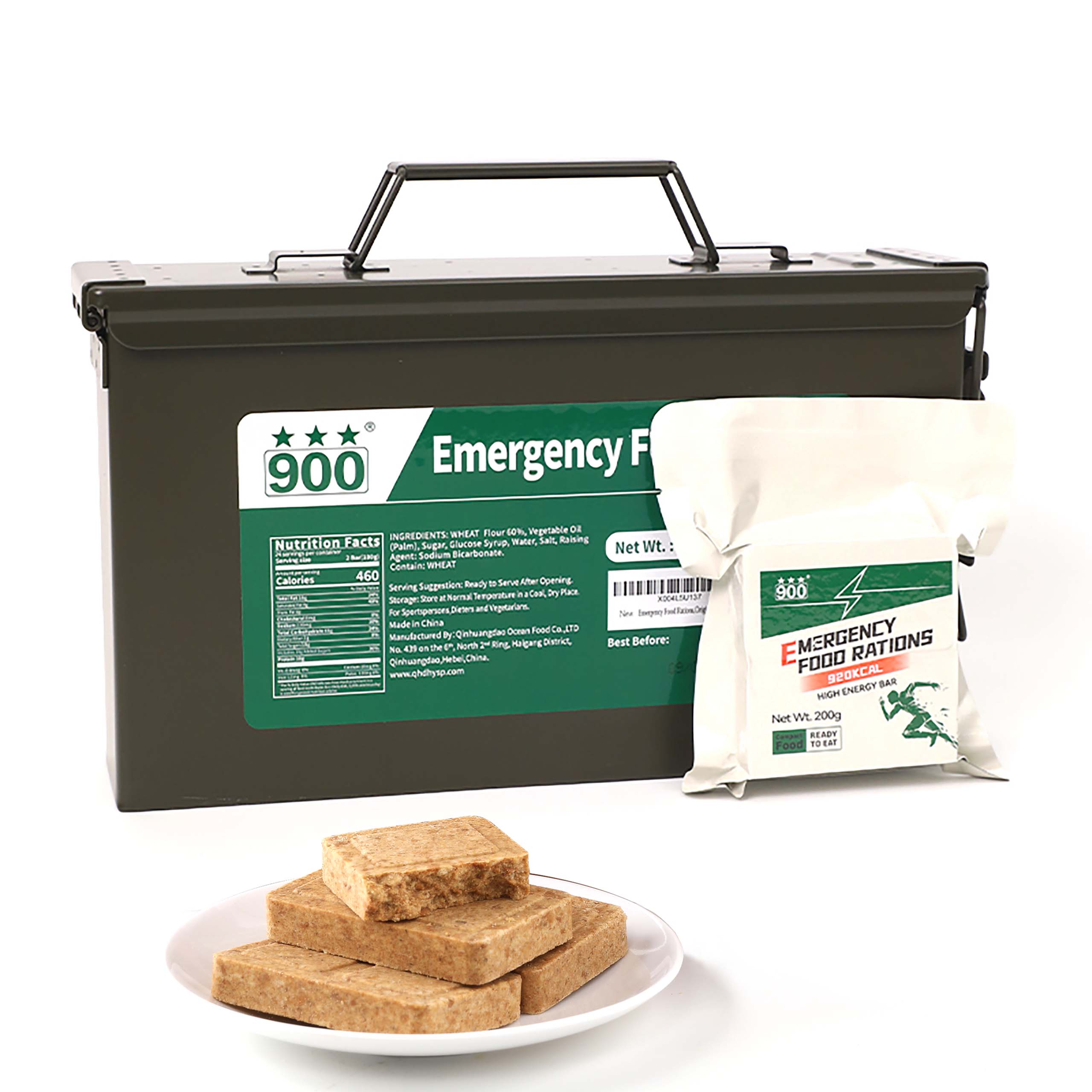
High-energy biscuits and compressed bars offer the absolute maximum caloric density per cubic meter of cargo space. They require zero preparation, water, or heating. The packaging is highly durable, designed specifically for extreme environments and rough handling. These characteristics make them the optimal solution for immediate acute response. Field teams can easily distribute them at roadside checkpoints, and they fit perfectly into localized emergency kits.
The primary limitation is palatability fatigue over extended durations. Consuming only compressed bars for weeks leads to reduced caloric intake among affected populations. They are engineered as a short-term bridging solution for the first several days of a crisis until standard supply lines reopen and heavy infrastructure is repaired.

MREs provide high menu variety and comprehensive nutritional profiles. They include self-heating capabilities through chemical ration heaters activated by a small amount of water. This allows displaced individuals to consume a hot meal without external fuel sources. MREs support sustained field operations and provide a significant psychological morale boost due to their resemblance to traditional, familiar meals.
The drawbacks include a significantly higher cost per unit. MREs possess a heavier weight footprint and larger volume per calorie compared to compressed bars. Furthermore, the extensive packaging creates massive waste. Relief organizations must manage the disposal of these plastic and foil materials in areas where municipal sanitation and trash collection services have completely collapsed.

Bulk staples like fortified flours, rice, lentils, and specialized corn-soy blends are highly cost-effective. They remain the standard choice for long-term feeding programs and the stabilization phases of a disaster. They allow agencies to feed massive populations in refugee camps on a constrained budget.
The critical limitation is their absolute reliance on intact infrastructure. Bulk staples strictly require safe drinking water, cooking fuel, pots, and basic kitchen facilities. During severe El Niño weather events, these resources are frequently compromised or entirely absent. Distributing raw rice or flour to a flooded community without firewood or clean water provides zero immediate nutritional relief and often leads to waterborne illnesses if prepared with contaminated floodwater.
Food Category | Caloric Density | Preparation Required | Primary Use Case | Logistical Footprint |
|---|---|---|---|---|
High-Energy Bars | Very High | None (Ready-to-Eat) | First 72 hours, immediate acute response, airdrops | Minimal (Compact, lightweight, high pallet efficiency) |
MREs | Moderate | Self-heating (Requires minimal water for heater) | Sustained field operations, morale support | High (Bulky, heavy, generates significant packaging waste) |
Bulk Staples | Low (As shipped) | High (Requires potable water, fuel, cooking equipment) | Long-term stabilization, established refugee camps | Moderate (Requires dry warehouse storage and pest control) |
Global crises rarely occur in isolation. A reliable supplier must possess massive surge capacity to scale production during concurrent, multi-region emergencies. Procurement teams must physically or virtually audit the manufacturer's production lines to verify their maximum daily output. Understanding this true capacity prevents supply chain failures when global demand spikes unexpectedly.
Reviewing historical lead times provides insight into operational reliability. Agencies must assess the supplier's redundancies for raw materials. If a manufacturer relies on a single geographic source for wheat, soy, or palm oil, their entire production line could halt during a regional crop failure. A robust supplier maintains diverse, multi-continent raw material streams to meet sudden demand without compromising output quality.
Facility and operational certifications act as the non-negotiable baseline for trust. Procurement teams must verify that the manufacturing facility holds active ISO 22000 and FSSC 22000 certifications. These frameworks ensure rigorous food safety management systems are actively enforced on the factory floor. Additionally, Halal and Kosher certifications are mandatory to ensure the disaster relief food is culturally and religiously acceptable to diverse global populations.
Suppliers must ensure strict alignment with international nutritional specifications. Organizations like the World Food Programme (WFP), UNICEF, and USAID publish exact mandates for macronutrient ratios and micronutrient fortification. Independent, third-party laboratory testing must validate that the manufactured product matches the declared nutritional profile down to the microgram.
Food safety incidents in disaster zones carry catastrophic consequences for already vulnerable populations. Evaluating the supplier's lot-tracking systems is mandatory. The manufacturer must demonstrate complete transparency in raw material sourcing, tracking every ingredient from the agricultural source to the final packaged ration.
Documented procedures for rapid product recalls must exist and be tested through regular mock recalls. If a batch contamination occurs, the supplier must be able to identify the exact shipping containers, vessel numbers, and destination warehouses immediately. Fast containment prevents compromised food from reaching displaced individuals suffering from weakened immune systems.
The primary physical risk of pre-positioning is the degradation of supplies due to improper warehousing. Pest infestation, moisture damage, or expired shelf life can destroy millions of dollars in aid. Storing food in poorly ventilated, non-secure facilities with leaking roofs guarantees high spoilage rates.
Implementing strict First-In-First-Out (FIFO) rotation protocols mitigates this risk. Warehouse managers must dispatch the oldest stock first, tracked via robust inventory management software. Utilizing climate-controlled monitoring systems tracks temperature and humidity fluctuations in real-time, alerting staff to HVAC failures. Furthermore, establishing secondary distribution channels prevents waste. Near-expiry stock can be rotated into local food banks, school feeding programs, or routine aid distributions before it becomes unsafe for consumption.
Institutional underfunding of preparedness phases remains a systemic issue across the relief sector. Donors and governments heavily favor funding active, highly visible crisis responses rather than quiet warehouse stockpiling. This bias leaves organizations financially exposed and scrambling for funds when disasters strike.
Mitigation requires reframing procurement strictly as risk management and cost-avoidance. Procurement officers must demonstrate the mathematical savings of pre-purchasing via ocean freight versus spot-market buying via emergency airfreight to secure stakeholder buy-in. Leveraging phased delivery contracts allows agencies to spread costs over multiple fiscal quarters. Multi-year agreements with suppliers stabilize cash flow and protect institutional budgets against volatile, crisis-driven commodity markets.
Effective El Niño preparedness requires a definitive operational shift from reactive purchasing to proactive staging. Strategically pre-positioning verified, high-density emergency food supplies is the only mathematically and logistically sound method to combat acute hunger during sudden infrastructure collapse. Relief organizations must prioritize suppliers based on certified production capacity, strict nutritional compliance, and proven logistical reliability in disaster contexts. Waiting for the floodwaters to rise before securing food guarantees operational failure and loss of life.
Conduct an immediate, comprehensive physical audit of current regional reserve levels, noting exact expiration dates and pallet conditions.
Define specific demographic nutritional needs and calculate the required tonnage for highly vulnerable geographic zones based on historical displacement data.
Request detailed product specifications, independent third-party lab reports, and physical samples from shortlisted manufacturers for field testing.
Establish multi-year, phased delivery contracts to lock in pricing and guarantee priority access to surge capacity during global crises.
A: Standard emergency rations typically maintain a shelf life of 3 to 5 years. High-quality vacuum-sealed foil packaging protects the contents from oxygen and moisture. This extended longevity reduces the frequency of inventory rotation, lowering long-term replacement costs and administrative overhead for relief organizations managing large-scale warehouses.
A: High-energy disaster bars are specifically engineered for maximum caloric density and extreme environmental resilience. Unlike commercial bars, they withstand severe temperature fluctuations, require no climate control, and are fortified with specific micronutrients mandated by humanitarian agencies to prevent acute malnutrition during crises. They also utilize packaging designed to survive aerial drops.
A: A credible supplier must hold internationally recognized food safety certifications, primarily ISO 22000 and FSSC 22000. These ensure rigorous facility hygiene and process control. Additionally, holding Halal and Kosher certifications is critical to ensure the food is culturally and religiously acceptable for diverse displaced populations across different global regions.
A: El Niño events frequently destroy power grids and contaminate municipal water supplies. Ready-to-eat foods require zero cooking fuel and no potable water for preparation. This ensures displaced populations can consume safe calories immediately without risking waterborne diseases from contaminated floodwaters or needing unavailable utilities like firewood and electricity.
A: Organizations utilize strict First-In-First-Out (FIFO) inventory tracking systems. To prevent expiration waste, they establish secondary distribution channels. Stock nearing the end of its 3-to-5-year shelf life is proactively rotated out of emergency reserves and integrated into local food banks, school feeding programs, or routine non-emergency aid distributions.
A: Severe El Niño cycles cause widespread droughts and flooding, devastating global agricultural yields. This sudden drop in crop production triggers massive spikes in commodity prices for wheat, soy, and oils. Reactive procurement during these spikes forces relief agencies to pay highly inflated rates, rapidly depleting emergency response budgets.