Views: 0 Author: Site Editor Publish Time: 2026-01-20 Origin: Site
Can you survive on MREs (Meals Ready to Eat) for more than a week? While these self-contained meals have gained popularity among military personnel, survivalists, and outdoor enthusiasts, their long-term use raises important questions. In this article, we will explore the pros and cons of living off MREs, focusing on their nutritional value, potential health risks, and practical tips for extended use.
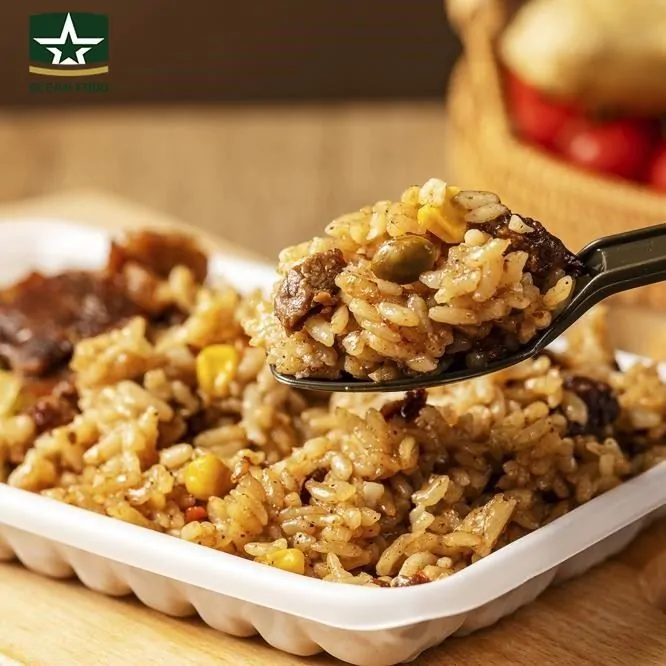
MREs contain a full meal, side dish, crackers, dessert, beverage mix, and utensils. Each meal is designed to provide all necessary nutrients for high-energy activity in challenging environments. The flameless ration heater (FRH) allows for meal heating by simply adding water to a chemical heating element, making it safe and convenient to use without fire. This design ensures that the meal remains edible and easily prepared, even in the field.
MREs are designed to last for 3-5 years under proper storage conditions. They must be stored in a cool, dry place, ideally at 60-75°F (16-24°C). The packaging is airtight and vacuum-sealed, preventing spoilage and contamination. However, exposure to heat or humidity can significantly shorten the shelf life. It’s essential to rotate stock regularly to ensure the MREs are consumed before they lose nutritional value.
Each MRE provides about 1,200-1,300 calories, with a balance of macronutrients: 40-50% carbohydrates, 12-15% protein, and 35-40% fats. While this distribution provides enough energy for active use, MREs are often low in fiber and can lack fresh nutrients like vitamins A and C. Many MREs are fortified with vitamins and minerals, but over time, these nutrients may degrade, especially the water-soluble ones like vitamin C. This makes MREs suitable for short-term use but not as a long-term dietary solution.
However, there are potential drawbacks to relying solely on MREs for a week. The most common issue is gastrointestinal discomfort, especially constipation. MREs tend to be low in fiber, which can affect digestion. Some individuals may also experience bloating or dehydration due to the high sodium content, which, while necessary for preserving the meals, can be taxing on the body if not balanced with adequate water intake.
Living on MREs for a week is feasible and practical, especially in emergency or field situations. They are portable, easy to prepare, and provide sufficient calories. However, the taste and variety can become monotonous. The meals are designed to be functional rather than gourmet, and their reliance on processed foods can make them less appealing over time. Additionally, it’s crucial to balance MRE consumption with plenty of water to avoid dehydration and discomfort.
Long-term reliance on MREs can lead to certain nutritional deficiencies. This table highlights the potential nutritional gaps associated with prolonged MRE consumption, along with the associated health risks and strategies for mitigating these deficiencies.
| Nutrient Deficiency | Potential Impact | Health Risks | Technical Specifications/Countermeasures | Application/Recommendations |
|---|---|---|---|---|
| Vitamin C | MREs contain low levels of Vitamin C, which degrades over time | Weakened immunity, scurvy | Supplement with fresh fruits or vitamin C tablets | Ensure vitamin C intake through supplementation or fresh foods |
| Fiber | MREs are low in fiber, which can lead to digestive issues | Constipation, bloating | Supplement with fiber-rich foods or fiber supplements | Add fiber supplements or consume fresh vegetables when possible |
| Folate and Antioxidants | MREs may lack adequate folate and antioxidants like beta-carotene | Fatigue, weakened immune system | Use fortified foods or supplements for missing nutrients | Add fortified foods or supplements to make up for deficiencies |
| Magnesium | MREs may lack sufficient magnesium, which is important for muscle function | Muscle cramps, fatigue | Include magnesium-rich foods or supplements | Regularly supplement with magnesium-rich options if relying on MREs for long periods |
Tip: To avoid deficiencies when using MREs long-term, ensure supplementation with vitamins, fiber, and magnesium to maintain overall health.
The lack of probiotics and fiber in MREs can have a significant impact on gut health if consumed over an extended period. The absence of fresh fruits and vegetables means that the digestive system may not receive the beneficial bacteria necessary for proper gut function. This can lead to issues like constipation, bloating, and poor digestion, ultimately affecting overall health and energy levels.
MREs are calorie-dense, and depending on activity levels, they can lead to weight gain or loss. Sedentary individuals may gain weight due to the high caloric content, while highly active individuals (such as soldiers) may struggle to consume enough food to maintain their weight. For those living on MREs for longer than a week, it's important to monitor calorie intake and ensure that they are getting the proper nutrients needed for their activity levels.
The U.S. military recommends a maximum of 21 consecutive days of exclusive MRE consumption. This is based on research and experience, which show that long-term reliance on MREs can lead to nutrient imbalances and health problems. While MREs are designed to meet the short-term needs of soldiers in combat or field operations, they are supplemented with fresh foods when possible to ensure balanced nutrition and prevent long-term health risks.
The U.S. Army has conducted studies on the effects of prolonged MRE consumption. Volunteers who ate only MREs for extended periods (up to 21 days) reported a range of digestive issues, including constipation and bloating. These studies help reinforce the importance of supplementation with fresh foods and water when using MREs for more than a week. Real-world experiences from soldiers and volunteers further emphasize that while MREs are vital in the short term, they are not suitable for long-term use without added nutrients.


To avoid the negative effects of MREs, it’s essential to drink more water than usual. The high sodium content can lead to dehydration, so staying hydrated is key. Additionally, supplementing with fiber-rich foods or supplements can help alleviate constipation and improve digestion. If fresh foods are available, they should be incorporated into the diet to provide the necessary vitamins and fiber that MREs lack.
MREs can become monotonous if consumed exclusively for extended periods. To avoid menu fatigue, rotate between different menu items to provide some variety. This can include switching up entrees, snacks, and desserts, and trying different combinations of food. Additionally, creating new meals using MRE components, like mixing different snacks or adding beverage mixes, can help break the monotony.
Freeze-dried meals are an excellent alternative to MREs for long-term storage. These meals have a shelf life of 20-30 years and retain more nutrients and flavor than MREs. Freeze-dried meals require water to rehydrate, making them a bit more time-consuming to prepare than MREs. However, they provide better taste and nutritional value for those planning for extended survival situations.
Emergency food bars are compact, high-calorie options that require no preparation. While they are lightweight and easy to carry, they are not a complete meal replacement and lack variety. These bars are best used for short bursts of energy rather than for extended meal plans. They are often used in survival kits or for emergency situations where minimal food intake is necessary.
Cook-in-pouch meals are another great alternative to MREs. These meals require little preparation and can be eaten cold or heated. They offer better taste and a wider variety of cuisines compared to MREs. The shelf life typically ranges from 5 to 10 years, making them a good option for medium-term food storage. However, they may be slightly heavier than freeze-dried meals.
MREs can sustain you for a week or more in emergency situations or intense activities, but they are not a long-term solution. While they provide essential calories, MREs lack fresh nutrients, fiber, and variety, making them unsuitable for extended use. To maintain health and wellbeing, it's essential to supplement MREs with fresh foods or other long-term storage options, such as freeze-dried meals. Qinhuangdao Ocean Food Co., Ltd. offers high-quality MREs designed for emergency preparedness, ensuring convenience and reliable nutrition during outdoor adventures and crisis situations.
A: MREs (Meals Ready to Eat) are self-contained, shelf-stable meals designed for military personnel, survivalists, and outdoor enthusiasts. They include an entrée, side dish, crackers, dessert, and beverage, and are typically heated using a flameless ration heater.
A: Yes, MREs can sustain you for up to a week, providing essential calories and nutrients. However, they are not suitable for long-term use due to their lack of fresh nutrients and fiber, which can lead to digestive issues.
A: Prolonged consumption of MREs may result in nutritional deficiencies, digestive discomfort, and high sodium intake. Over time, this can cause fatigue, constipation, and potential cardiovascular strain.
A: MREs typically last for 3-5 years under proper storage conditions (cool and dry). Exposure to heat and humidity can shorten their shelf life, so it’s important to store them correctly to maintain their nutritional value.
A: Yes, MREs are ideal for emergency situations. They are portable, calorie-dense, and easy to prepare, making them a reliable food source during disasters, outdoor adventures, or survival scenarios.
A: MREs are convenient and calorie-dense, but freeze-dried meals typically offer better taste and higher nutrient retention for long-term storage. Freeze-dried options are often preferred for extended survival use.


