Views: 0 Author: Site Editor Publish Time: 2026-04-28 Origin: Site
Building an emergency food supply requires significant upfront capital and strict discipline. You cannot just buy items randomly from a grocery store. Haphazard buying inevitably leads to expired inventory, wasted money, and critical nutritional gaps during actual grid-down scenarios. Relying on unorganized pantries leaves you highly vulnerable when local supply chains fail. A truly resilient emergency pantry perfectly balances caloric density, shelf-life return on investment, and preparation realism. You must proactively plan for severe scenarios involving zero power and severely limited potable water. We will provide a skeptical, evaluation-focused framework below to guide your preparation. You will learn exactly how to audit, select, and scale a fail-proof stockpile. This detailed roadmap relies entirely on proven preservation technologies and established federal safety baselines to protect your household.
Tiered Procurement: Diversify investments across scenarios—heavy canned goods for sheltering, lightweight emergency high energy bars and MREs for evacuation, and freeze-dried bulk for long-term ROI.
Environmental TCO: Extend shelf life and protect your investment by strictly regulating temperature (55–75°F), light, and oxygen, while utilizing FIFO (First-In, First-Out) rotation.
Resource-Constrained Prep: Evaluate foods based on their hidden costs, specifically the amount of potable water or heating fuel required to consume them.
Zero-Tolerance Safety: Adopt strict contamination and power-outage protocols; know the exact hourly limits for perishable degradation before defaulting to shelf-stable reserves.


A common failure point is treating all emergency scenarios as identical. A two-week shelter-in-place mandate requires a vastly different supply chain than an immediate evacuation. You must build a dynamic, scenario-based inventory. We recommend using a three-tier model to allocate your budget effectively. This prevents you from being weighed down during an escape or undernourished during a long isolation.
Your immediate fallback should consist of familiar, ready-to-eat items. Prioritize commercially sealed Canned Food for this tier. Focus on vegetables, high-quality proteins, and hearty soups. These items pack a high hydration content. They require zero cooking and are incredibly cost-effective to accumulate over time. The primary trade-off is their heavy footprint. Glass jars and metal cans weigh too much for a mobile evacuation. Keep these items strictly assigned to your home base.
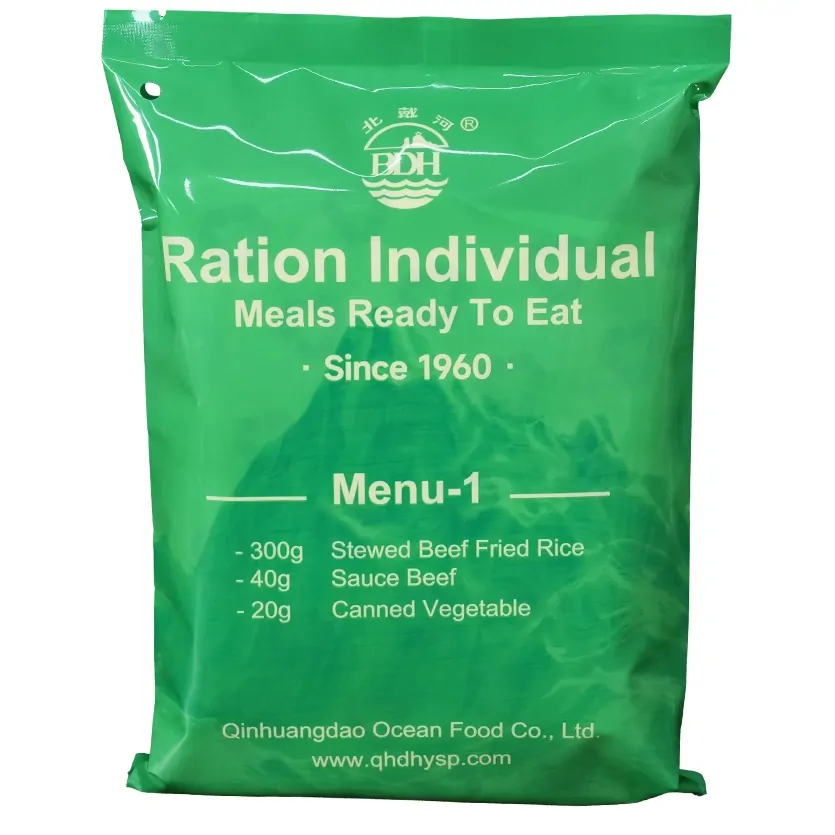
Evacuation scenarios demand strict optimization. You must prioritize weight-to-calorie ratios above all else. Every ounce matters when you travel on foot. Incorporate an emergency high Energy Bar supply into your primary escape bags. These bars offer dense nutrition without the bulk. Alongside them, you should pack military-grade MRE (Meals Ready-to-Eat) rations. MREs provide tremendous value in transit. They offer roughly 1,100 to 1,200 calories per pouch. More importantly, they include flameless ration heaters. This technology completely solves the "no fire" constraint when you cannot safely build a campfire.
If a crisis extends beyond a month, heavy wet foods become unmanageable. You should shift your investment to 100% freeze-dried ingredients. This approach drives your Total Cost of Ownership (TCO) down. Freeze-drying retains up to 97% of the original nutritional value. It also boasts a 25-year shelf life. This dramatically lowers the frequency and cost of inventory rotation compared to standard pantry items.
Emergency Food Procurement Strategy Chart
Procurement Tier | Crisis Scenario | Primary Food Category | Core Advantage | Major Trade-off |
|---|---|---|---|---|
Tier 1 | Shelter-in-Place (1–14 Days) | Canned Goods & Soups | High hydration; requires no cooking | Heavy footprint; poor mobility |
Tier 2 | Evacuation / Bug-Out | Energy Bars & MREs | Superior weight-to-calorie ratio; self-heating | Shorter shelf life (MREs ~5 years) |
Tier 3 | Long-Term Isolation | Freeze-Dried Bulk Ingredients | 25-year shelf life; 97% nutrient retention | Requires potable water to rehydrate |
Purchasing premium provisions is useless if your storage environment fails. Heat, pests, and moisture cause premature degradation. You must treat your storage space as a controlled micro-environment. Without proper infrastructure, an expensive 25-year food supply might spoil in three years.
Temperature dictates shelf life. Heat is the primary accelerator of nutrient breakdown and fat rancidity. You must target basements, sub-floors, or interior closets. These spaces generally maintain a stable ambient temperature between 55 and 75°F. Avoid storing provisions in garages or attics. These areas suffer from massive seasonal temperature spikes. Even brief exposure to extreme heat compromises food stability.
Oxygen and light destroy vitamins and degrade food texture. If you build DIY bulk storage for rice or beans, you must mitigate these threats. Mandate the use of Mylar bags. Combine these bags with specialized oxygen absorbers. Finally, house the sealed bags inside sturdy, food-grade plastic buckets. This triple-layer defense blocks rodents, ultraviolet light, and atmospheric oxygen completely.
A static stockpile eventually becomes a pile of expired waste. You must implement a strict FIFO (First-In, First-Out) system. This corporate supply chain concept applies perfectly to home pantries. Consume the oldest items first and place new purchases at the back.
To automate this process for short-term supplies, integrate gravity-fed can organizers. These racks push older cans to the front automatically. Pay attention to specific risk considerations as you scale. Avoid storing food directly on concrete floors. Concrete promotes moisture wicking, which rusts metal cans and degrades cardboard. Always elevate your buckets and boxes on wooden pallets or wire shelving.
Many pre-packaged survival buckets look like a great deal on paper. However, brands often disguise low costs by using cheap carbohydrate fillers. They load their meals with high-sodium broths and sugary drink mixes. These empty calories fail to sustain your physical energy under high-stress, high-exertion conditions. You must audit your stockpile aggressively.
Scrutinize the macronutrient profile of every item you buy. Follow these best practices to ensure your body gets what it needs:
Macronutrient Scrutiny: Shortlist brands that explicitly provide high-quality proteins and complex carbohydrates. Look for clean ingredients with minimal artificial fillers.
Healthy Fats: Prioritize healthy fats, even though they degrade fastest and are hardest to store. Fats provide the densest energy source for physical labor. Rotate fat sources like coconut oil or peanut butter frequently.
The Hidden "Water Tax": Freeze-dried food requires rehydration. Since water weighs 8.34 lbs per gallon, heavy reliance on freeze-dried meals demands a massive investment in water storage. You must calculate this "tax" and stockpile enough filtered water to prepare your food.
Assume you will have zero access to electricity or municipal natural gas. Your food must match your available cooking infrastructure. Opt for "add boiling water" or "ready in minutes" solutions. Quick-cooking meals conserve your severely limited camp-stove fuel, such as butane or propane.
Be aware of common mistakes during grid-down cooking. People often bring outdoor equipment inside during severe weather. Warning: Never use charcoal grills, propane camping stoves, or gas generators indoors. They produce lethal carbon monoxide gas. Always cook outdoors or use specially rated indoor emergency food warmers.
Medical infrastructure is typically compromised during a severe crisis. Foodborne illness from tainted reserves becomes a critical, yet preventable, threat. A simple case of food poisoning can escalate into a life-threatening dehydration crisis. You must establish strict, uncompromising safety protocols before disaster strikes.
When the grid fails, the clock starts ticking on your perishables. You must consume foods in a specific order to minimize waste.
The 4-Hour Rule: During an outage, an unopened refrigerator safely holds perishables for only 4 hours. Keep the door closed. Once 4 hours pass, dairy and raw meats become hazardous.
Freezer Guidelines: A fully packed, unopened freezer maintains safe temperatures for roughly 48 hours. A half-full freezer only lasts about 24 hours.
Dry Ice Protocol: If you face an extended outage, utilize dry ice. The baseline requirement is roughly 25 lbs of dry ice per 10 cubic feet. This volume maintains freezing temperatures for 3 to 4 days. Always use heavy-duty leather gloves to handle it. Ensure the dry ice has zero direct contact with your food to prevent freezer burn.
Flooding introduces toxic chemicals and raw sewage into your home. You must treat floodwater contamination with absolute zero tolerance. Any food not sealed in a waterproof, commercial metal can must be discarded immediately. This includes food in cardboard boxes, screw-top jars, and standard plastic wrap.
If your commercial cans survive a flood intact, you must execute a strict sanitation Standard Operating Procedure (SOP). First, remove and discard the paper label. Next, wash the can thoroughly with soap and water. Then, sanitize the metal by soaking it in a solution of bleach and water (1 tablespoon of unscented bleach per gallon of water) for 15 minutes. Finally, let it air dry completely before opening.
Expiration anxiety often causes people to throw away perfectly safe food. You need to differentiate between quality markers and safety markers. "Sell-by" and "Best-by" dates indicate peak nutritional quality and flavor, not food safety. Stored properly, these foods remain safe long after the printed date. However, there is a major exception. Federal compliance dictates baby formula must never be consumed past its "Use-by" date. The nutritional degradation is too severe for infant development. Always follow the core mandate of survival food safety: "When in doubt, throw it out." Never consume food from bulging, severely dented, or rusted cans.
Building your inventory is an ongoing process. Transition from theory to practice by implementing these three immediate steps:
Inventory Audit: Document your current setup. Calculate the total calories in your short-term pantry and compare them against your long-term freeze-dried assets. Identify your weakest link.
Gap Analysis: Identify missing mobile provisions. Do you have enough MREs and energy bars for a sudden evacuation? Calculate your household's 14-day water deficit based on the "water tax" required for your dehydrated foods.
Shortlisting: Begin evaluating long-term food vendors. Ignore flashy marketing. Base your purchases on verified shelf-life claims, ingredient transparency, and true macro-nutrient density rather than sheer, empty calorie counts.
Emergency food prepping represents an ongoing cycle of risk mitigation. It is never a simple, one-off purchase. By auditing your nutritional density, rotating your stock, and policing your storage environment, you protect your financial investment. Integrating high-ROI preservation methods like freeze-drying with immediate-action contingencies creates a truly resilient system. Stick to strict safety protocols, manage your water tax, and your stockpile will reliably sustain your family through any crisis.
A: Freeze-dried food offers a massive 25-year shelf life and retains 97% of its nutrients, but it strictly requires boiling water to rehydrate and consume. MREs (Meals Ready-to-Eat) have a shorter shelf life of about 5 years and are much heavier. However, they are fully cooked, require zero added water, and include flameless heaters, making them perfect for immediate evacuation.
A: Commercial cans are generally safe to eat indefinitely if the metal seal remains intact, un-dented, and free of rust. The printed "Best-by" date simply indicates the optimal window for flavor and nutritional density. Over years, the texture may degrade, but safely stored cans will not harbor deadly pathogens.
A: Yes. This is known as the "water tax." If your stockpile relies heavily on freeze-dried or dehydrated ingredients, you must store extra potable water specifically for rehydration. Standard hydration guidelines (one gallon per person per day) only cover drinking and basic hygiene, not cooking bulk dried foods.
A: Implement the FIFO (First-In, First-Out) model. Store newly purchased items at the back of the shelf and push older items to the front. To prevent financial waste, seamlessly integrate your short-term emergency staples—like canned beans, soups, and rice—into your regular daily weeknight dinners before they expire.


